Zhangzhou Huahao Metal Composite Materials · Fujian, China
Cookware clad metal and multi-ply composite materials manufacturer
We supply cookware manufacturers, OEM factories, material processors and importers with clad circles, blanks and sheet: two-ply, three-ply, five-ply and copper core. We do not sell finished pans to consumers.
- Six composite lines
- Two etching lines
- 304, 316L, 1050, 3003, copper
- ISO 9001:2015 since 2020
Products
Four structures, one specification discipline
Every structure is quoted against the same fields: grade per layer, thickness per layer, total thickness, form, size, surface treatment and documents. If a field is missing, the first reply asks for it rather than quoting a structure you did not choose.
Specifications
Product pages in detail
-
 SS304 / aluminium / SS430 tri-ply clad material Tri-ply clad metal for cookware: SUS304 or SUS316L face, AL1050 aluminium core, SUS430 magnetic back. Plain, embossed and etched, Read more
-
 5-ply cookware clad metal Five-ply clad metal for cookware with an alloy aluminium centre: SUS304, AL1050, AL3003, AL1050 and SUS430 in one bonded sheet. Read more
-
 Copper-core clad metal for cookware Copper-core clad metal for premium cookware: stainless face, aluminium and a copper core for faster heat spread. Discuss the stack Read more
-
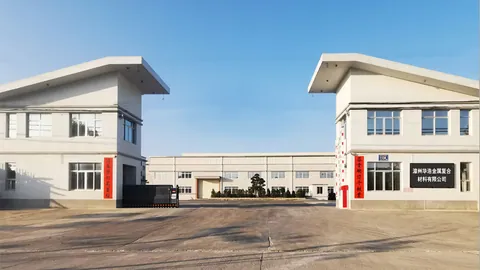 Embossed and etched clad metal surfaces Embossed and etched clad metal surfaces for cookware: pressed dot and honeycomb patterns, fine etched textures, produced on two au Read more
- Custom cookware clad metal Custom clad metal for cookware: choose face grades, core, layer ratio, thickness and diameter from a drawing or a reference sample Read more
-
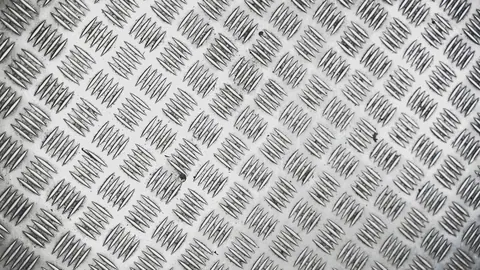 2-ply clad metal Two-layer clad metal: a stainless cooking face bonded to aluminium, for pans sold to gas and radiant hobs. Lighter and cheaper tha Read more
-
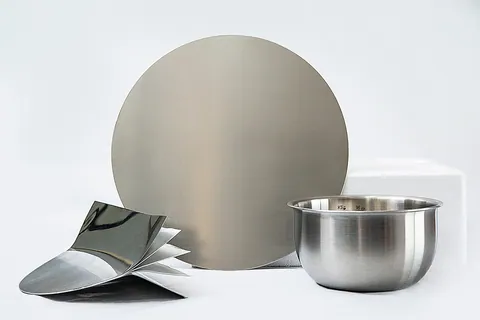 Clad circles and discs for cookware bodies Clad circles and discs cut to your diameter from three-ply and five-ply material, for woks, pans and pressure cooker bodies. Read more
-
 Clad sheets and plates Bonded clad sheet and plate supplied flat and cut to size for cookware factories that blank in-house, with thickness, flatness and Read more
Manufacturing
Six composite lines, 50,000 tonnes a year
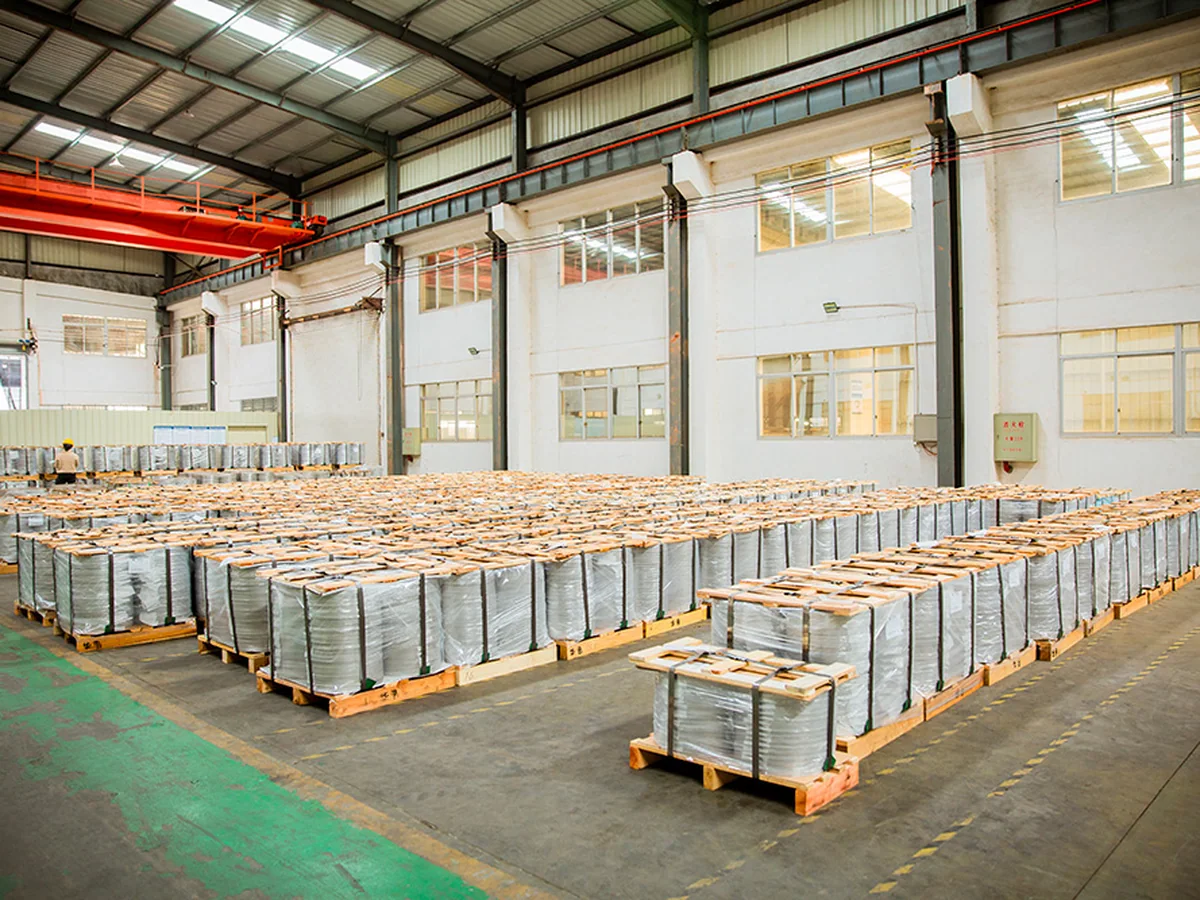
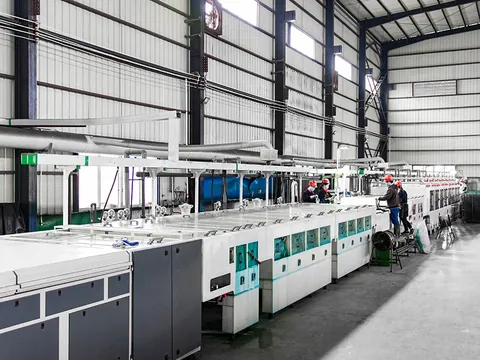
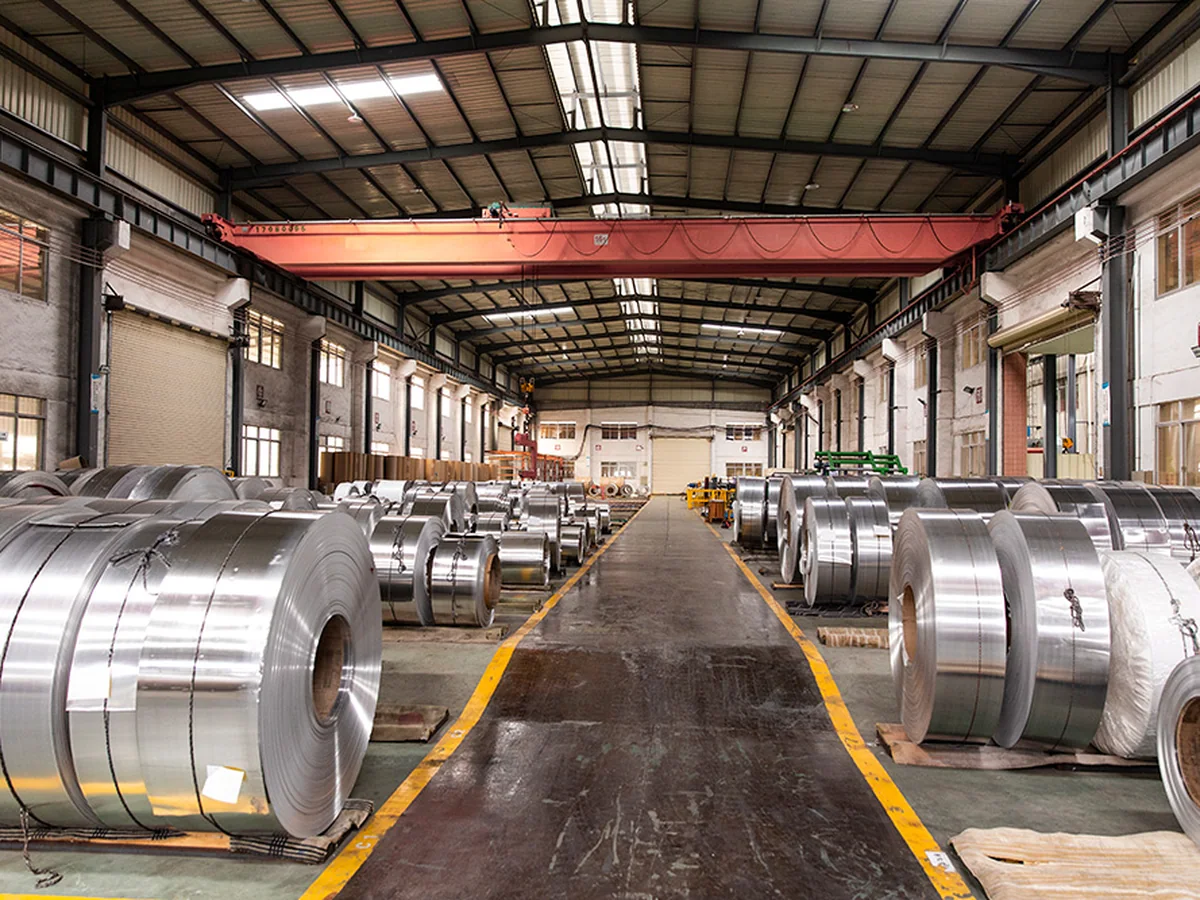
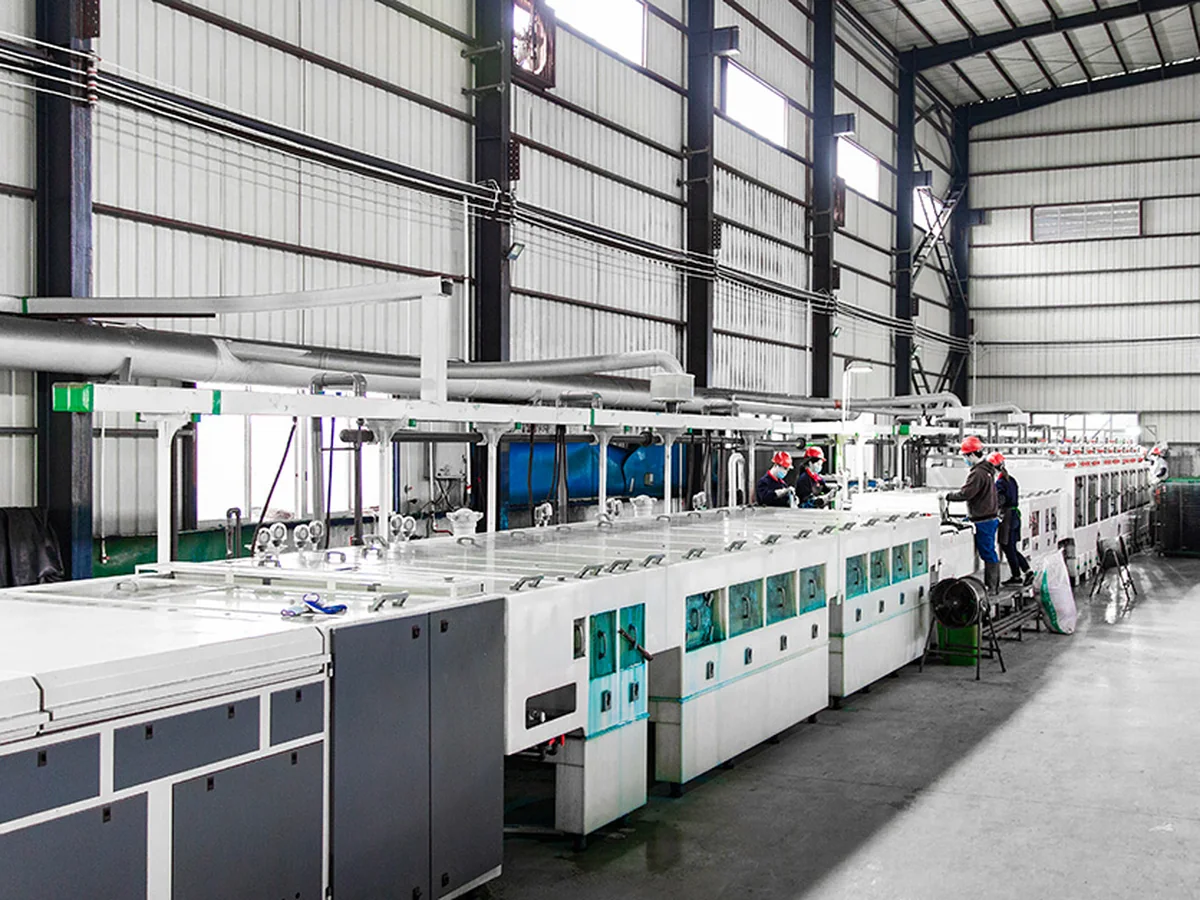
The plant in Zhao'an County, Zhangzhou runs six automated multi-layer composite lines with a stated annual capacity of 50,000 tonnes, plus two automated etching lines. It was established in 2016 with equipment and process technology introduced from Korea.
- Bonding, rolling, heat treatment and leveling on the composite lines
- Etched patterns cut on two dedicated automated lines
- Environmental approval and discharge permit in place
Surface
Plain, embossed or etched
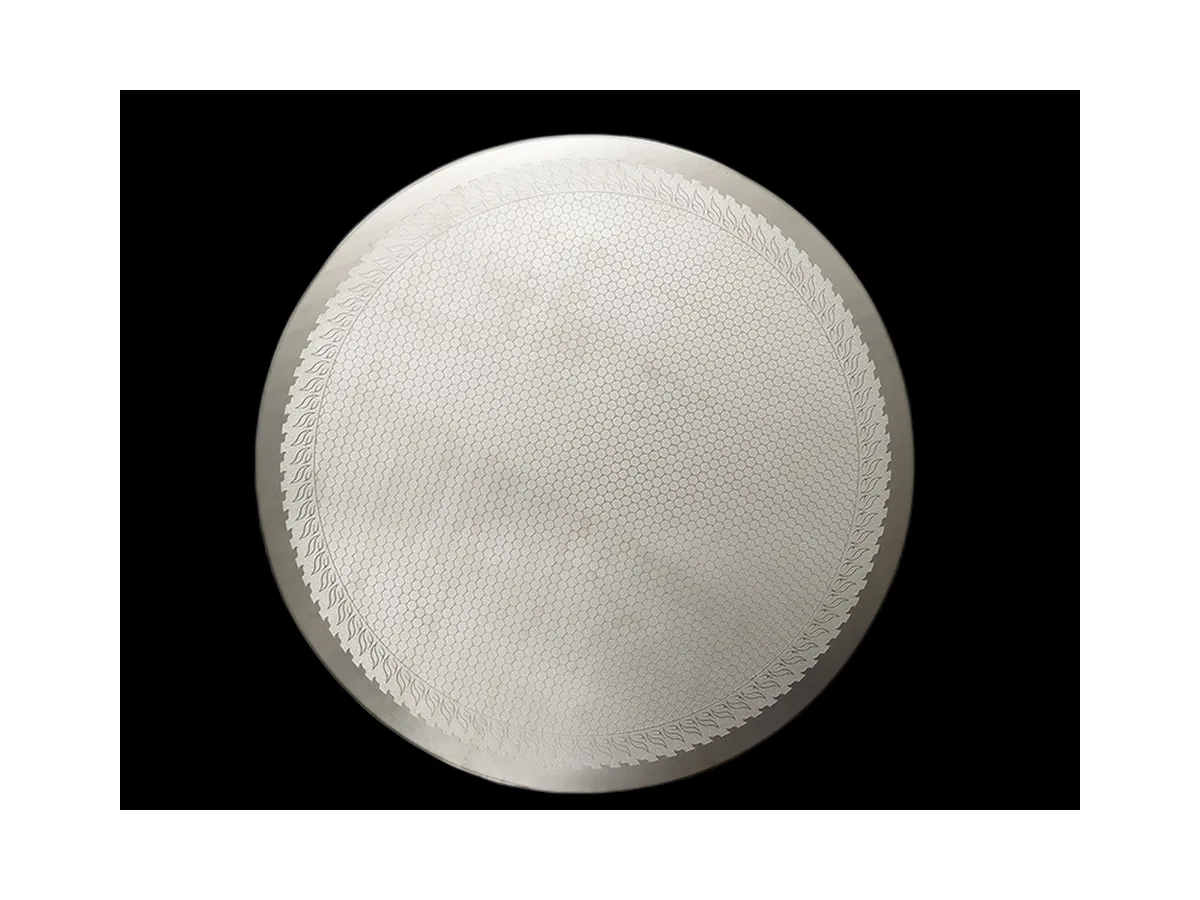
Most cookware bodies use plain sheet, because the pan maker polishes the cooking face. Ranges that leave the face unpolished take a pattern instead: pressed for a coarse, durable texture, etched for finer detail and a defined border.
- Pressed patterns with a die, efficient for repeating ranges
- Etched patterns through a mask, finer and cheaper to change
- Pattern area, depth and rim width agreed from a sample
Applications
Start from the cookware
-
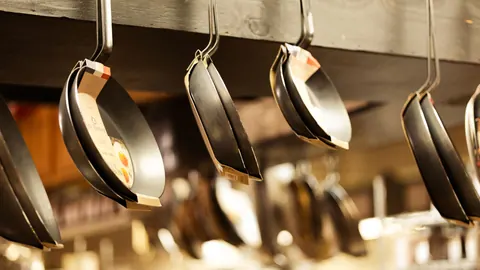 Clad metal for pots, pans and cookware bodies Three-ply and five-ply clad metal for woks, soup pots, milk pots, hot pots, pressure cookers and rice cooker liners, specified aga Read more
-
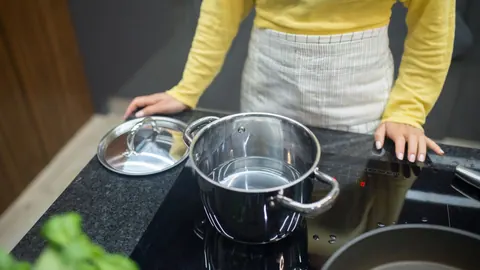 Clad metal for induction cookware How induction cookware uses a magnetic stainless layer in clad metal, what SUS430 does, and what has to be validated on the finish Read more
- Clad material for cookware stamping What a stamping shop needs from clad material: draw ratio, blank size, lubrication, springback and the failures caused by the mate Read more
- Blanking clad circles: the nest decides what you pay How clad circles are blanked, how the nest decides the yield, and which tolerances belong on the drawing so the disc runs in the p Read more
- Clad metal beyond cookware Where clad stainless-aluminium material is used outside cookware, what changes in the specification, and how industrial enquiries Read more
Quality
Documents before promises
ISO 9001:2015 certification since 2020, SGS certification since 2016. Material reports on file cover ROHS for 304, 430, 439, 1050 and 3003, REACH for 430, 439, 1050 and 3003, and food-contact testing for 304, 430, 439 and 3003.
- Incoming grade and thickness checks before the line
- Thickness, dimensions, surface and flatness inspection
- Bond test method and criteria stated with the batch
- Batch traceability back to the raw coil
How it works
From drawing to container
- 01 Structure review
You send the cookware, the hob type and the layer structure, or a drawing if the structure is still open. We say which structures are worth testing.
- 02 Specification
Grade per layer, thickness per layer, total thickness, form, size, surface and documents are written down, so the quotation is against a document, not a guess.
- 03 Sample and forming trial
A disc or blank is pressed in your tooling and checked against the agreed criteria. Pattern samples are approved at the same stage.
- 04 Bulk and documents
Production runs to the approved specification, with the inspection record and the compliance reports the order requires.
Before you ask for samples
Look at the plant and the paperwork first
Most first enquiries come with the same two questions: what does the site actually look like, and which documents exist for the grade in question. Both are answered without a meeting.
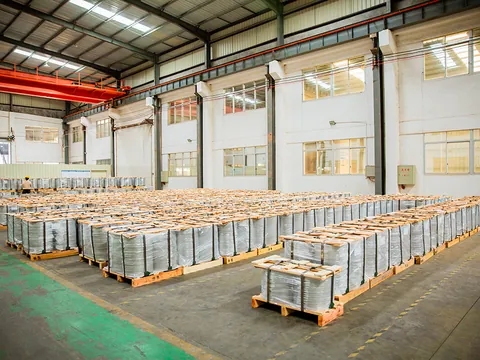
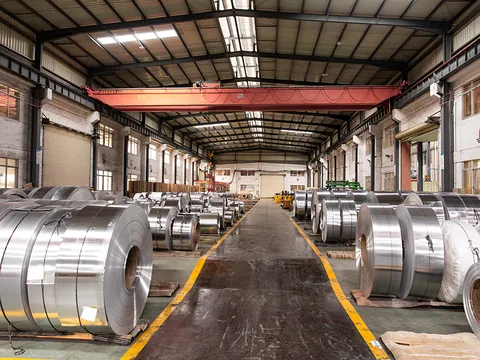
- Six photographs of the site in Zhao'an, from the gate to coil storage
- ISO 9001:2015 since 2020, SGS since 2016, and which report covers which grade
- Batch documents listed against the grades that generate them
Knowledge
Guides for the person who signs the spec
-
 What is cookware clad metal and how is it used? Cookware clad metal is two or more metals bonded into one sheet. What each layer does, why aluminium is in the middle an Read more
-
 2-ply vs 3-ply vs 5-ply: how to choose How layer count changes heat spread, induction response, forming and cost in cookware clad metal, and which structure su Read more
- How to specify a clad disc for your factory The fields a clad metal specification needs: grades, layer thickness, total thickness, diameter, tolerance, flatness, su Read more