Knowledge
Clad metal guides for cookware buyers
These guides answer the questions that come up in a technical review: which layer does what, which grade goes where, how to write a specification that survives a batch dispute, and why two quotes for the same pan differ.
-
 What is cookware clad metal and how is it used? Cookware clad metal is two or more metals bonded into one sheet. What each layer does, why aluminium is in the. Read more
-
 2-ply vs 3-ply vs 5-ply: how to choose How layer count changes heat spread, induction response, forming and cost in cookware clad metal, and which. Read more
-
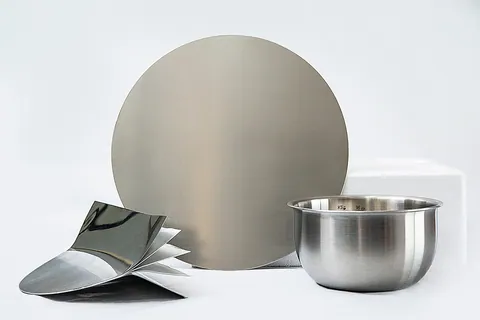 How to specify a clad disc for your factory The fields a clad metal specification needs: grades, layer thickness, total thickness, diameter, tolerance,. Read more
- Aluminium 1050, 3003 or copper: choosing the core How the core decides heat spread in clad cookware: pure aluminium 1050, alloy 3003, and what a copper core changes. Read more
-
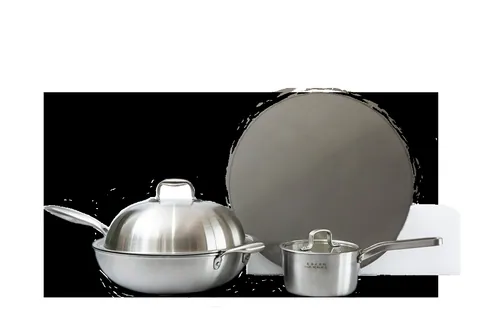 Which stainless grade goes where in clad cookware Which stainless grade belongs on the cooking face and which on the hob face of clad cookware, and what 304, 316L,. Read more
-
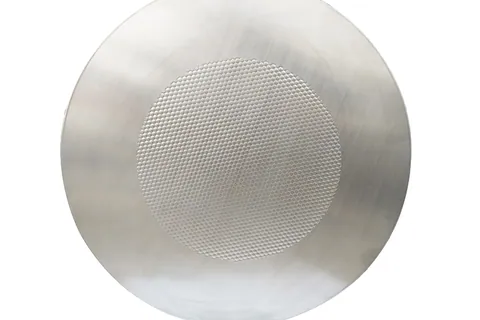 Embossed vs etched: choosing a clad surface How pressed (embossed) and etched surfaces are made on cookware clad metal, what each pattern does in use, and how. Read more
-
 What determines the price of clad metal Why two clad metal quotes for the same pan differ: grades, layer ratio, diameter and yield, pattern, inspection,. Read more
-
 Stress relief annealing for clad sheet: 540 °C and what it fixes Why roll-bonded cookware clad is annealed at 540 ± 25 °C with a hold under three hours and 80 to 200 °C/h ramps,. Read more
-
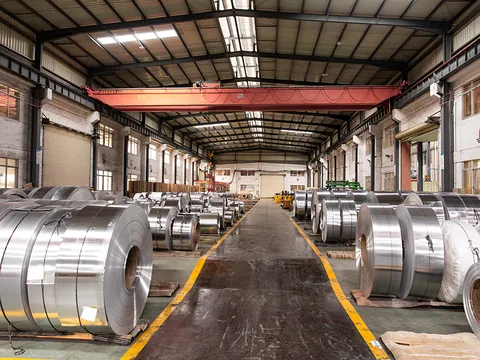 How clad metal is bonded: roll bonding versus explosion welding Roll bonding and explosion welding both join clad metal, but only one suits cookware. What differs, and what to ask. Read more
-
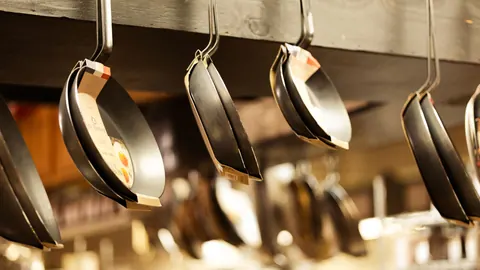 How stainless cookware becomes non-stick without a coating Uncoated clad stainless pans can be made effectively non-stick by seasoning. What the oil film actually does, how. Read more
-
 Common clad metal defects and what causes them Edge separation, waviness, thickness drift and intermetallic growth: what each clad defect looks like, where it. Read more
- Clad discs or clad sheet: which should you buy? Buying clad as cut discs or as sheet changes tooling, yield, tolerance and packing. A comparison for cookware. Read more
- What drives the cost of cookware clad metal Metal content, layer thickness, yield and processing set the price of clad cookware material. How each moves the. Read more
- 304, 430, 316 and 201: which grade belongs where What each stainless grade does in a clad pan, why 430 is used on the base rather than the face, and when 316 or 201. Read more
-
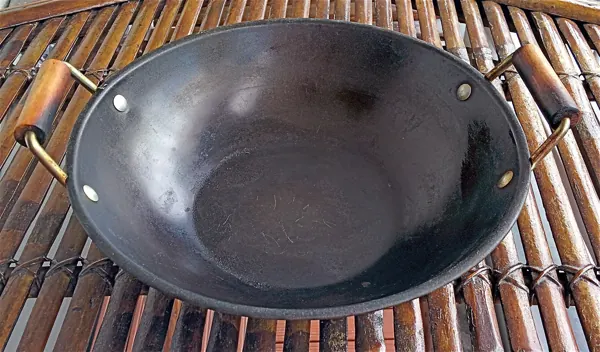 Induction: the magnetic layer is the whole product Why induction needs a magnetic face, how thick the 430 layer has to be, and what happens to performance when the. Read more
-
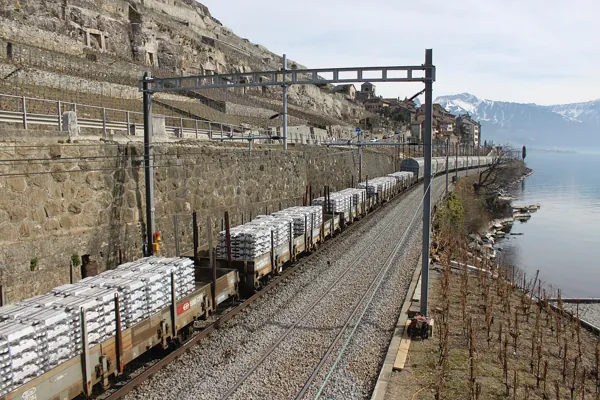 Aluminium core thickness: where the heat actually spreads How core thickness changes heat spreading, pan weight and press behaviour, and how to pick a gauge instead of. Read more
- Thickness tolerance and flatness: the two numbers that cause claims How thickness tolerance and flatness are measured on clad cookware material, which figures to write into a drawing,. Read more
-
 Surface finish: what Ra tells you, and what it does not What Ra measures, which finishes suit which pan, how polishing and brushing change the cooking face, and how to. Read more
-
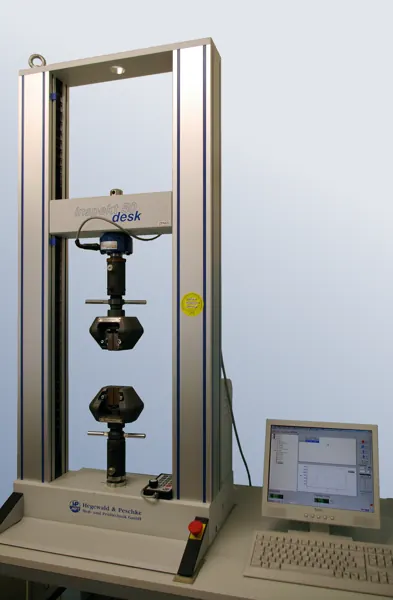 Pitting corrosion on a clad pan face Why stainless faces pit, how chloride and stagnant water start a pit at a sheared edge, and which tests actually. Read more
- Why clad pans warp on the hob How differential expansion between stainless and aluminium bows a pan base, which design and process choices. Read more
At a glance
How the options compare
| Question you are asking | Guide to read first |
|---|---|
| What is this material? | What is cookware clad metal |
| How many layers do I need? | 2-ply, 3-ply and 5-ply compared |
| What do I put on the drawing? | How to specify a clad disc |
| Which aluminium core? | Aluminium core selection |
| 304, 316L or 430? | Stainless grades for cookware |
| Patterned or plain surface? | Embossed and etched surfaces |
| Why is this quote higher? | What drives the price |
How to use these guides
If you are writing a specification for the first time, start with the disc specification guide and then read the grade guide. If you already have a specification and are comparing suppliers, start with the pricing guide, because it explains which differences between two quotes are real and which are just different assumptions.
Every guide is written for the person who signs the order, not for a metallurgist. Where a number is structure-specific, the guide says so rather than quoting a figure that would not apply to your material.
Questions
Common questions
Do these guides apply to every supplier?
The material science does. The process and tooling differ between plants, so confirm the structure and the documents with the supplier you are buying from.
Can I send a guide to my customer?
Yes. The pages exist to help buyers explain a specification internally, which is often harder than choosing the material.