Commercial
What determines the price of clad metal
Two quotes for what looks like the same disc can differ by a wide margin, and usually not because one supplier is expensive. This guide explains where the money goes, so two quotes can be compared properly.
At a glance
Specification at a glance
| Cost driver | Effect on price | What to ask |
|---|---|---|
| Stainless grade | Large, especially 316L | Which grade on which face |
| Layer ratio | Large | Per-layer thickness |
| Diameter and nesting | Large per finished part | Blank weight and scrap assumption |
| Surface | Medium to large | Pattern area, depth, volume |
| Form | Medium | Disc, blank or sheet |
| Inspection and documents | Small to medium | Which reports are included |
| Freight and packing | Medium | Port, trade term, packing type |
| Metal price basis | Varies with market | Index link and validity period |
The material content
Metal price is the largest component and it moves with the market. The layer ratio decides how much of the expensive stainless is in the sheet: a thicker 316L face and a thinner core raises the price before any processing is added.
That is why a quotation dated two weeks apart can differ for reasons that have nothing to do with the supplier's margin. Ask whether the price is tied to a metal index and for how long it holds.
Diameter and yield
Price per tonne hides the number that matters: how much of the sheet ends up in the pan. A larger blank diameter uses more material, and a diameter that nests badly on the sheet wastes more. Two suppliers quoting the same diameter can deliver different yields if one cuts from a different parent size.
Ask for the blank weight and the scrap assumption. On a wok blank, a few percent of yield is real money across a container.
Surface and processing
Plain sheet is the baseline. Embossing adds a die and a pressing step; etching adds a mask and a chemical cycle. Both are priced on the pattern area, the depth and the volume, which is why the same pattern quoted at two volumes comes back at two unit prices.
Cutting is priced on the form: discs and blanks cost more per tonne than sheet, because the cutting and handling are done at the plant.
Inspection, documents and freight
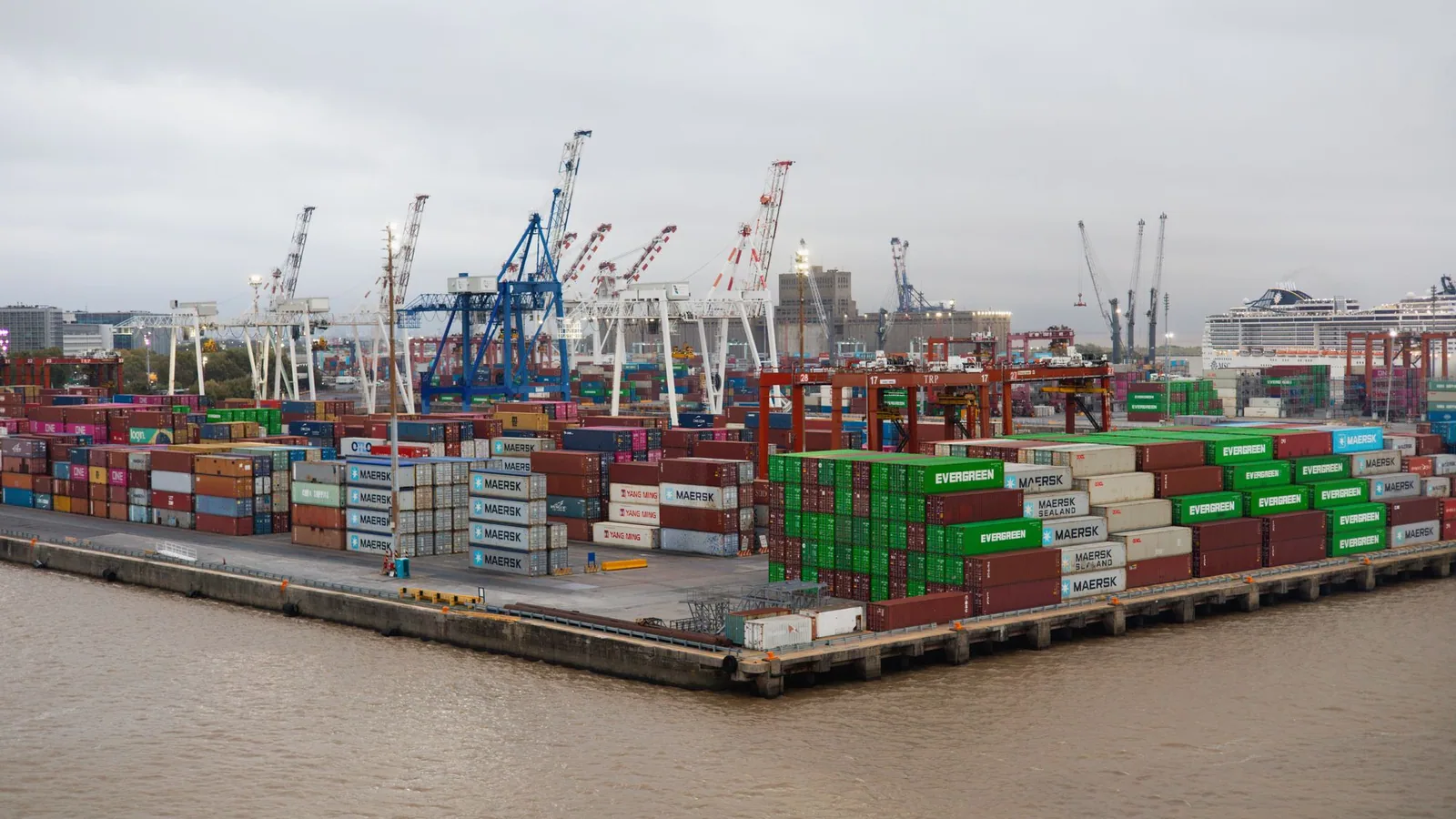
Third-party inspection, extra test reports and country-specific documents add cost and, more importantly, time. Freight depends on packing, weight and the destination port, and a disc pack is denser than a sheet stack of the same tonnage.
When comparing quotes, normalise all of it: same structure, same tolerance, same documents, same trade term, same port. A quote that looks cheaper often excludes two of those.
Questions
Common questions
Why is price per tonne a poor comparison?
Because it ignores yield. A cheaper tonne that cuts with more scrap can cost more per finished disc.
How long does a quotation hold?
It is stated on the quotation, because metal prices move. Ask for the validity period and the basis.
Does a smaller order always cost more per kilo?
Usually, through setup, cutting and inspection. The difference is smaller when the batch shares a production schedule.
Is etching more expensive than embossing?
It depends on the pattern and the volume. Etching avoids a die but adds a mask and a chemical cycle; embossing is cheaper at high volume once the die exists.
What documents should be in the quote?
The structure, the tolerance, the document list, the packing, the trade term, the validity and the lead-time sequence.