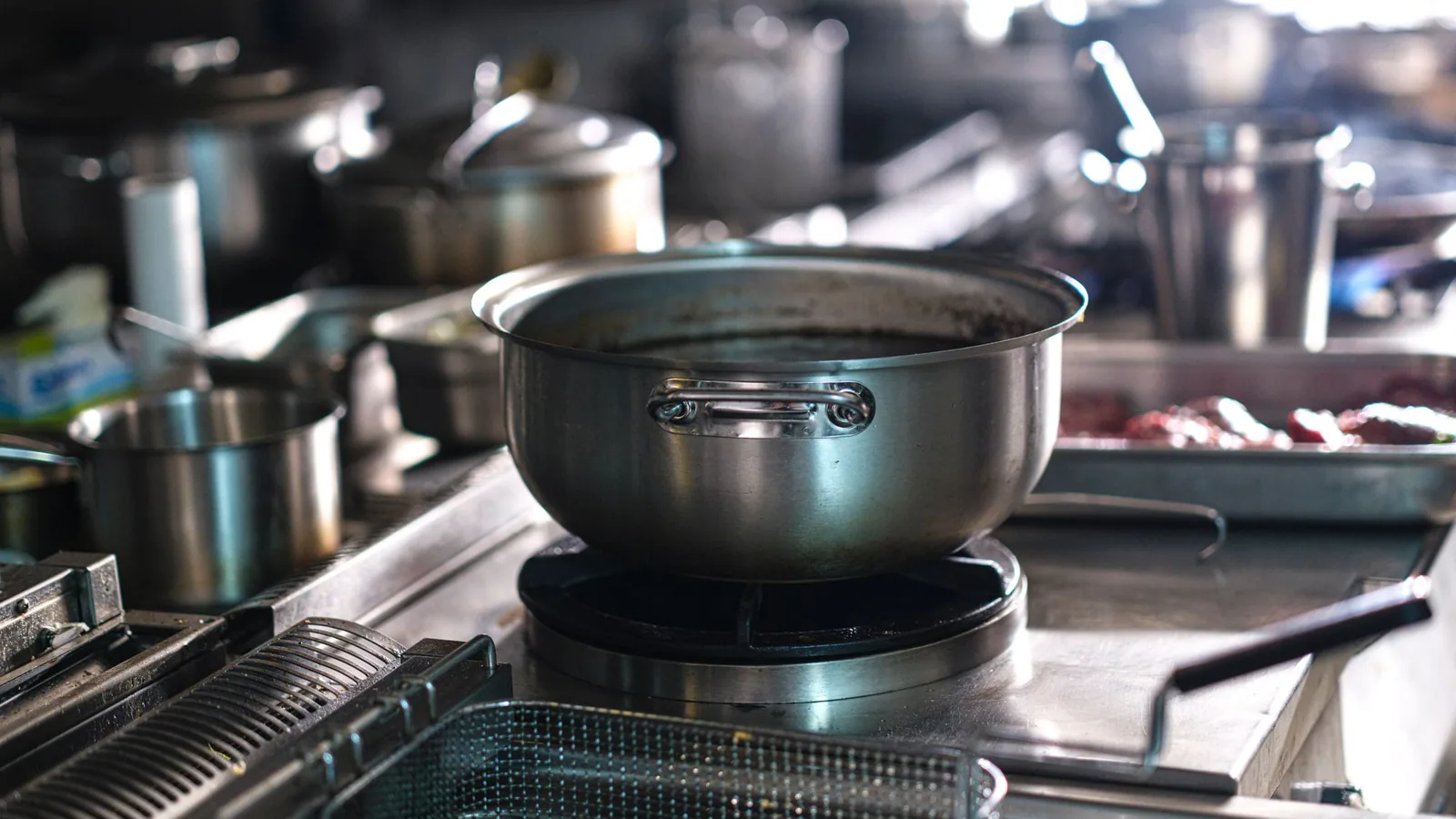
Where clad metal goes in cookware
The same three-ply structure ends up as a wok, a soup pot or a rice cooker liner, but the forming route and the thickness balance differ for each. Choose the application first and let the structure follow.
-
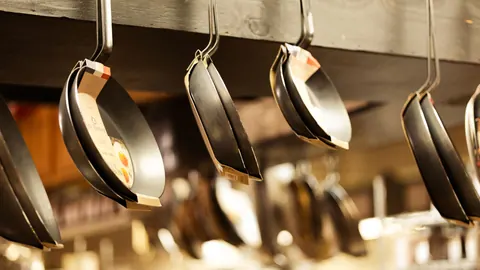 Clad metal for pots, pans and cookware bodies Three-ply and five-ply clad metal for woks, soup pots, milk pots, hot pots, pressure cookers and rice cooker. Read more
-
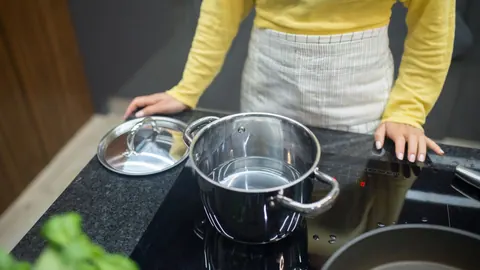 Clad metal for induction cookware How induction cookware uses a magnetic stainless layer in clad metal, what SUS430 does, and what has to be. Read more
-
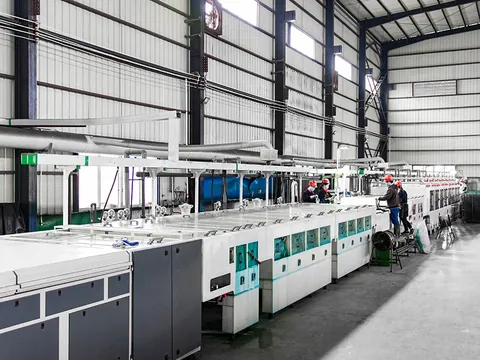 Clad material for cookware stamping What a stamping shop needs from clad material: draw ratio, blank size, lubrication, springback and the failures. Read more
-
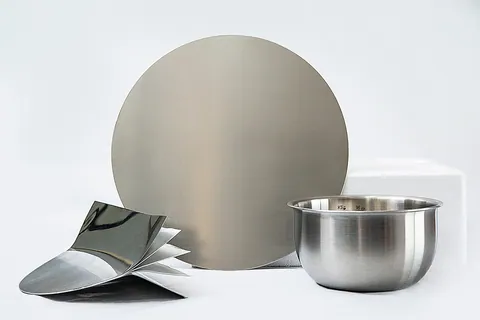 Blanking clad circles: the nest decides what you pay How clad circles are blanked, how the nest decides the yield, and which tolerances belong on the drawing so the. Read more
-
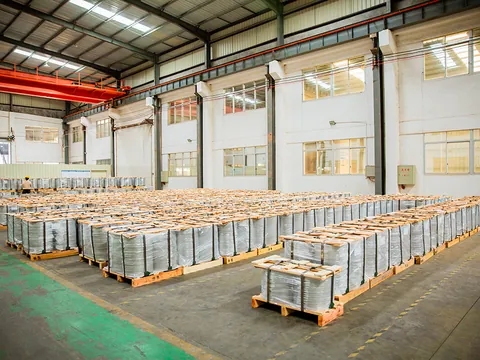 Clad metal beyond cookware Where clad stainless-aluminium material is used outside cookware, what changes in the specification, and how. Read more
-
 Clad sheet for bakeware and oven trays Why bakeware uses clad sheet, how oven heat differs from a hob, and which structures stay flat through repeated. Read more
At a glance
How the options compare
| Cookware | Structure usually specified | Field that decides acceptance |
|---|---|---|
| Wok | 3-ply 304 + 1050 + 430 | Draw depth and base flatness after forming |
| Soup pot | 3-ply, heavier total thickness | Wall thickness consistency and rim |
| Milk pot | 3-ply, thinner gauge | Even heat at low flame, no hot spot |
| Hot pot | 3-ply, plain or patterned | Surface pattern durability, base flatness |
| Pressure cooker | 3-ply, body and base | Pressure rating of the finished body |
| Rice cooker liner | 3-ply, deep draw | Forming depth and surface finish |
The application decides the specification
A buyer who starts from a grade name is choosing a material. A buyer who starts from the cookware is choosing a result: how the pan draws, how heavy it feels, how the base behaves after a year of use. The second conversation produces a better specification, because the plant can see which fields actually matter.
The table below maps the common cookware types to the fields that usually decide acceptance.
Questions
Common questions
Can one structure cover a whole cookware range?
Often, yes, for a range built around similar drawing depths. Where a range mixes a thin milk pot with a heavy stock pot, two total thicknesses are usually specified from the same three-ply family.
Which cookware needs a patterned surface?
Ranges where the cooking face stays unpolished, and products sold on scratch resistance and appearance. Embossed or etched surfaces are chosen at the product design stage, not after.
Do you supply material for pressure cookers?
Yes, three-ply material is supplied for pressure cooker bodies. The pressure rating and the safety standard apply to the finished vessel, and are validated by the cookware maker.