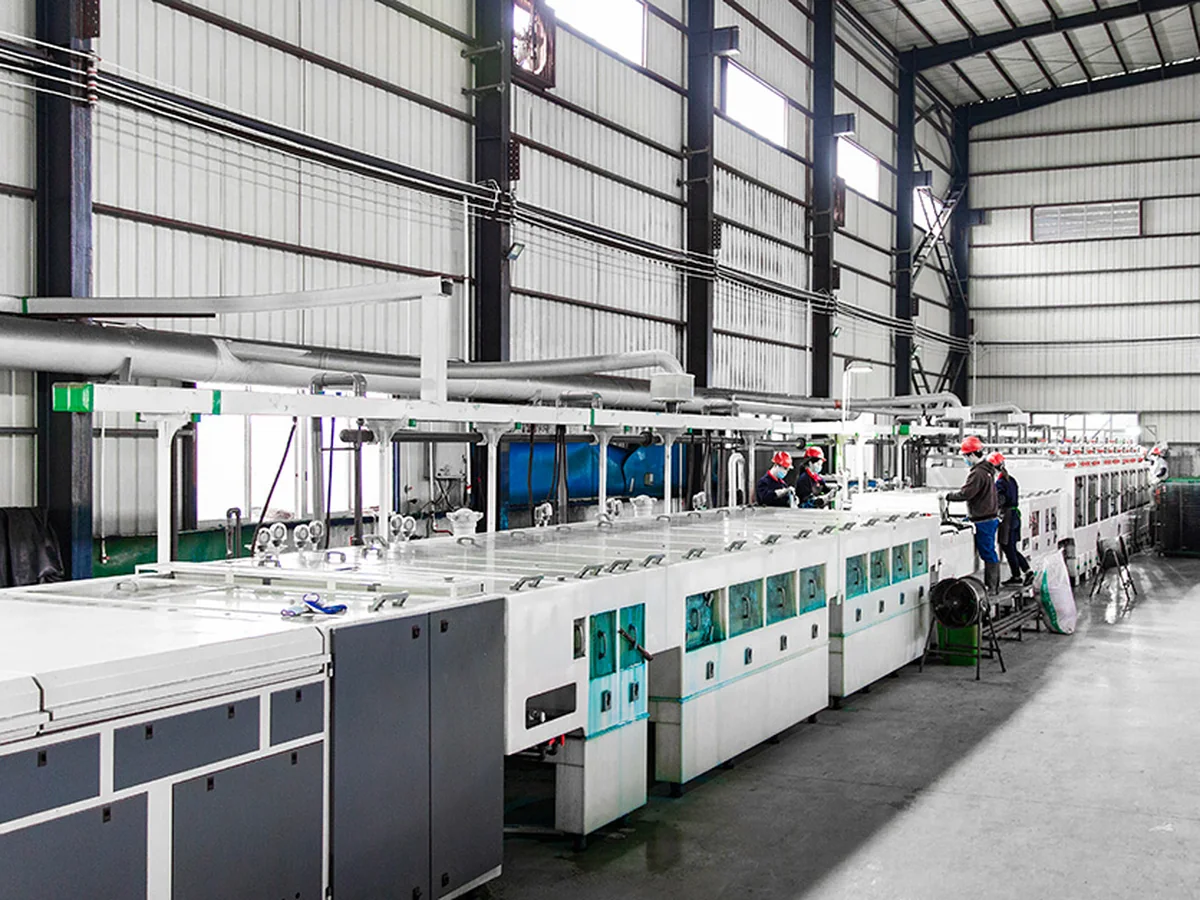
Resources for buyers of clad cookware material
The questions that come before a purchase order, answered at the depth a buyer needs rather than the depth a brochure allows. Written by the people who run the lines, for the people who specify the material.
-
 2-ply, 3-ply and 5-ply: what the extra layer actually does What the third and fifth layer do in a cookware pan, where the extra cost goes, and how to pick the ply count from. Read more
-
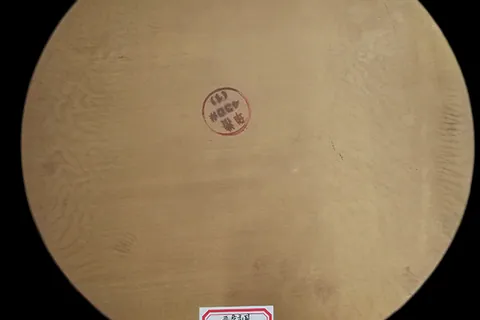 Aluminium, copper or stainless core: choosing the middle layer How the core layer decides heat spreading, weight and cost in clad cookware, with the numbers behind aluminium. Read more
-
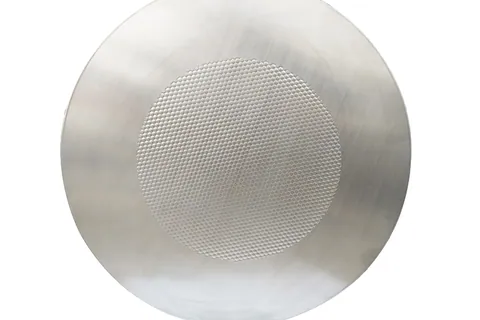 Embossed and etched surfaces: two processes, two failure modes How embossing and etching differ, what each does to the cooking face, which one survives polishing and drawing, and. Read more
-
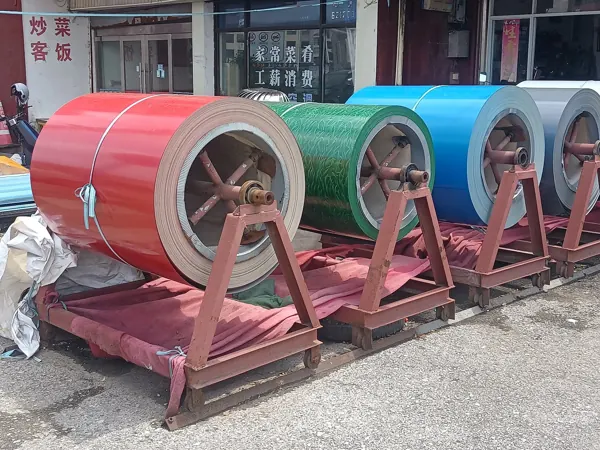 Circles, sheet or strip: where the scrap goes decides the form How form choice changes blanking scrap, press time, storage and tolerance in clad cookware material, with the. Read more
-
 Bonding clad metal, and how the joint is proved Roll bonding versus explosion welding, how bond strength is measured, what a peel or shear test proves, and which. Read more
-
 Annealing and stress relief: why flat sheet becomes a dished disc Why clad sheet dishes after blanking, what annealing does to the bond and formability, and how to specify heat. Read more
-
 How to write an RFQ that comes back as a price, not a question The seven fields that turn an enquiry into a real quotation for clad cookware material, with the wording buyers can. Read more
-
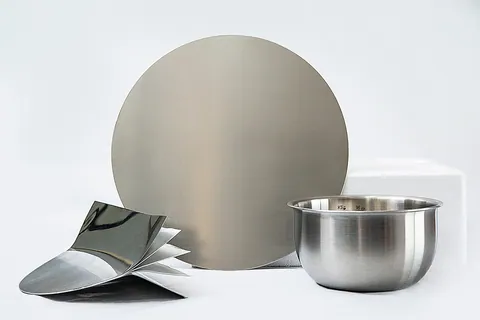 Samples and trial runs: what a sample proves, and what it does not What a clad sample can prove, what it cannot, how many pieces a trial needs, and how to design a forming trial that. Read more
-
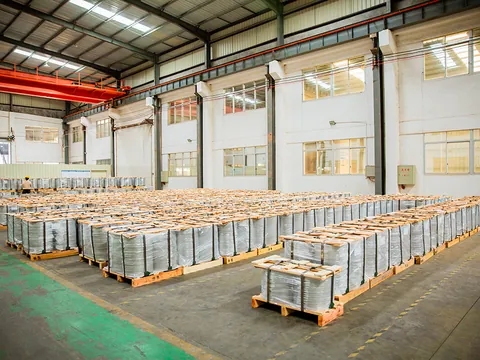 MOQ: why the number moves, and how to plan a first order Why a clad metal minimum order is a function of structure, form and tooling rather than a single number, and how to. Read more
-
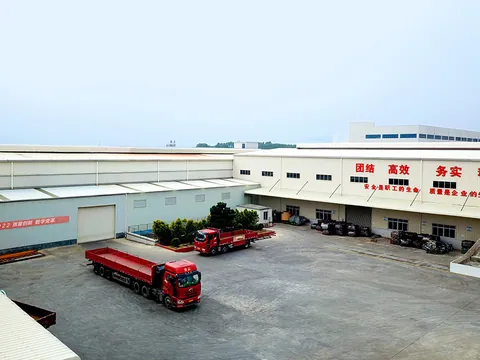 Lead times: where the wait actually comes from How production scheduling works for clad cookware material, which steps carry the wait, and how to plan a launch. Read more
- Incoming inspection: what to check, in what order, and what to write down What to check when clad discs or sheet arrive, in what order, with the acceptance figures to write into your. Read more
-
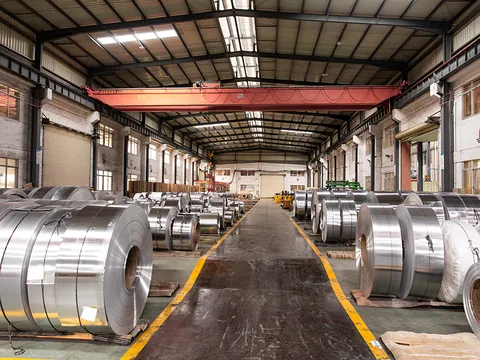 OEM and ODM in clad material: what each stage delivers The difference between OEM and ODM in clad material supply, what each stage delivers, and how a private-label. Read more
-
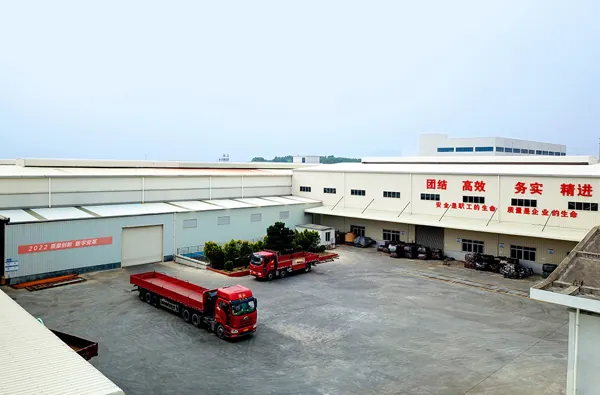 Packing and sea freight: where clad material gets damaged Pallet weight, interleaving, container fill, moisture protection and the documents that travel with clad discs and. Read more
-
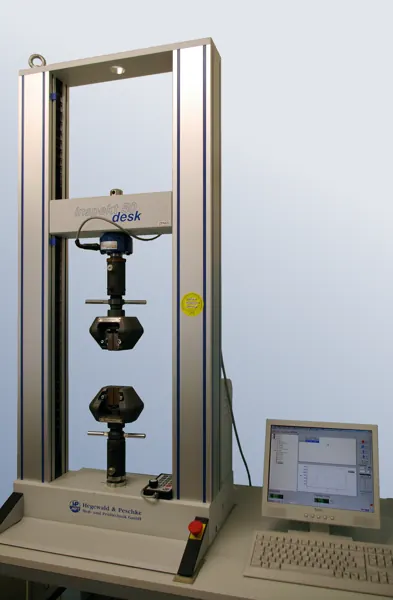 Food-contact compliance: what can be declared, and what cannot What food-contact compliance means for clad cookware material in the US and the EU, which documents a supplier can. Read more
-
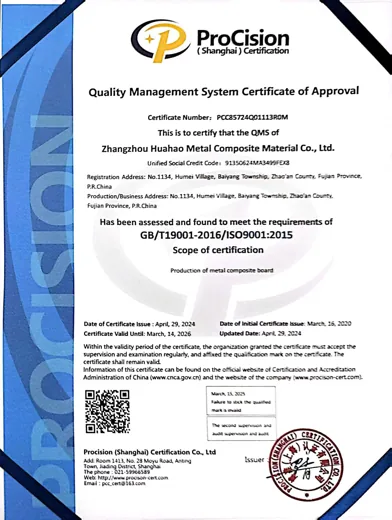 Verifying certificates: five checks that take five minutes A five-minute routine for supplier certificates: what to check on an ISO 9001 certificate, how to read a CTI or. Read more
-
 Export documents by destination: who provides what Which documents accompany clad cookware material to India, the Gulf, the EU, the US and South America, and which of. Read more
-
 How thick should a clad pan be? How total thickness and each layer's share decide weight, heat spread, induction response and draw behaviour, with. Read more
- What actually decides the price of clad metal Where the money goes in a clad quote: metal content, yield, rolling, annealing, testing and freight, and why two. Read more
-
 Clad metal glossary The terms that appear on a clad drawing and in a quotation, defined in the sense the factory uses them, so an RFQ. Read more
- Incoterms for clad metal shipments Which Incoterm suits a clad coil or circle order, what each one leaves with the buyer, and the three terms that. Read more
-
 Clad structures side by side One table comparing 2-ply, 3-ply, 5-ply, copper core and aluminium core builds on conduction, weight, induction,. Read more
Why this library exists
Most clad metal websites answer the question the buyer asked last: the price. The questions that decide whether an order runs well come earlier and are harder: which ply count for this pan, which core for this hob, which form for this press, which document for this border. Those are the questions these guides answer, in the order a buyer meets them.
How the guides are organised
Product knowledge covers the material itself. Buyer decisions cover the commercial process from enquiry to delivery. Compliance covers the paperwork that decides whether the goods clear. Technical depth goes further into grades, magnetism and tolerances for engineers. Market notes cover import practice by destination.
Each guide carries a specification table you can copy into a drawing or an RFQ, and each ends with the same three routes: a quotation, a sample, or a call.
Questions
Common questions
Are these guides written for engineers or buyers?
Both, in the same page. The tables give the engineer something to specify with; the prose gives the buyer the reasoning behind the number.
Can I copy the specification tables into my own documents?
Yes. They are written as specification language rather than marketing language, so they can go straight into an RFQ or a drawing note. Where a figure is a reference value rather than a guarantee, the table says so.
Do you publish prices?
No. Price depends on structure, gauge, form, tolerance and quantity, so it is quoted per enquiry. The guides explain which of those variables moves the number.