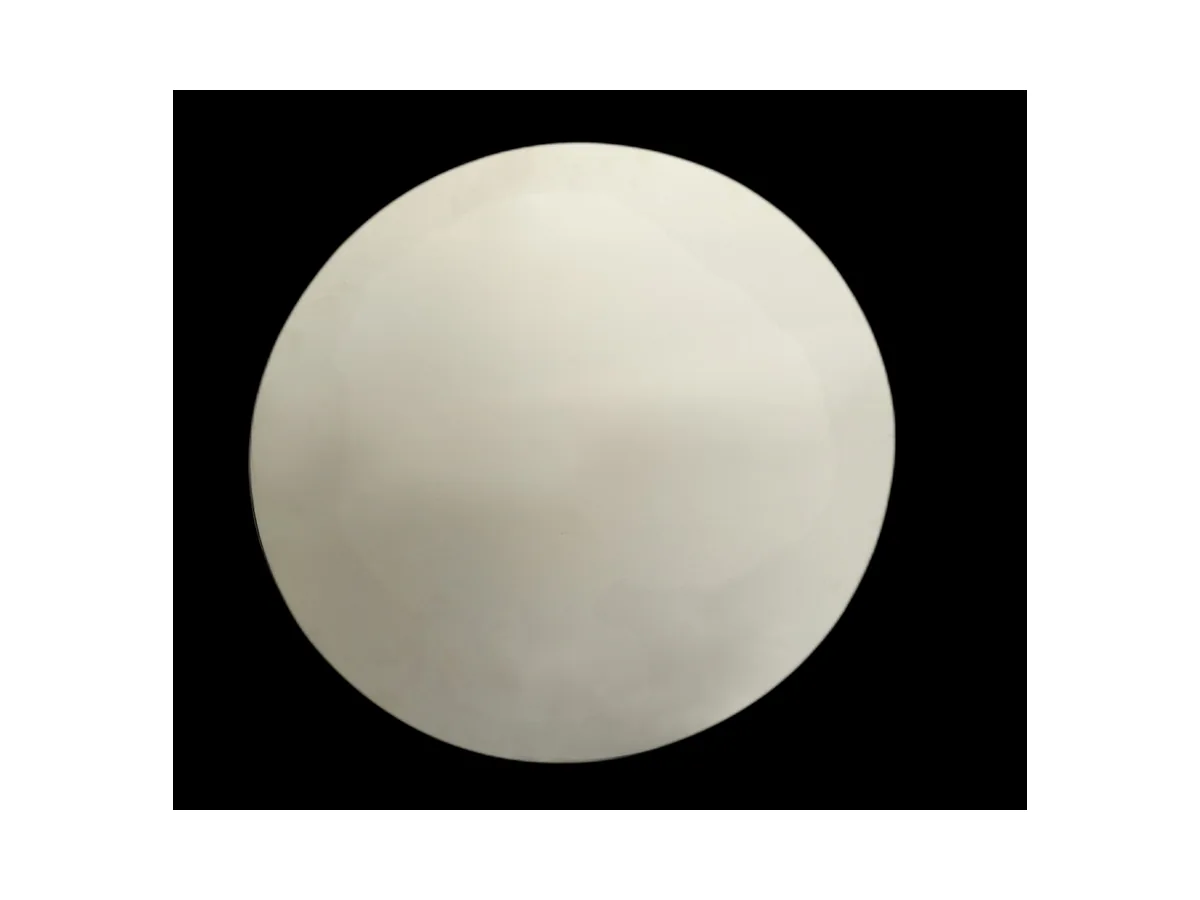
Clad structures side by side
Buyers usually compare two structures at once and the answer lives in five properties, not one. This is the table used when a range has to be positioned between two price points.
At a glance
Specification at a glance
| Structure | Conduction | Weight | Induction | Position |
|---|---|---|---|---|
| 2-ply stainless / aluminium | Good | Lightest | Only with a magnetic base | Entry range |
| 3-ply 304 / aluminium / 430 | Very good | Moderate | Yes | Volume cookware |
| 5-ply stainless / aluminium / alloy / aluminium / stainless | Best of the aluminium builds | Heavy | Yes | Premium range |
| Copper core 5-layer | Highest | Heaviest | Yes | Top of range |
| Aluminium core with 316L face | As 3-ply | Moderate | Yes | Marine and high-acid use |
Conduction is not the same as evenness
A copper core conducts faster than aluminium, so heat reaches the pan wall sooner. Evenness across the base depends on thickness and on how the heat enters, which is why a thick aluminium build can read more even than a thin copper one in a real kitchen.
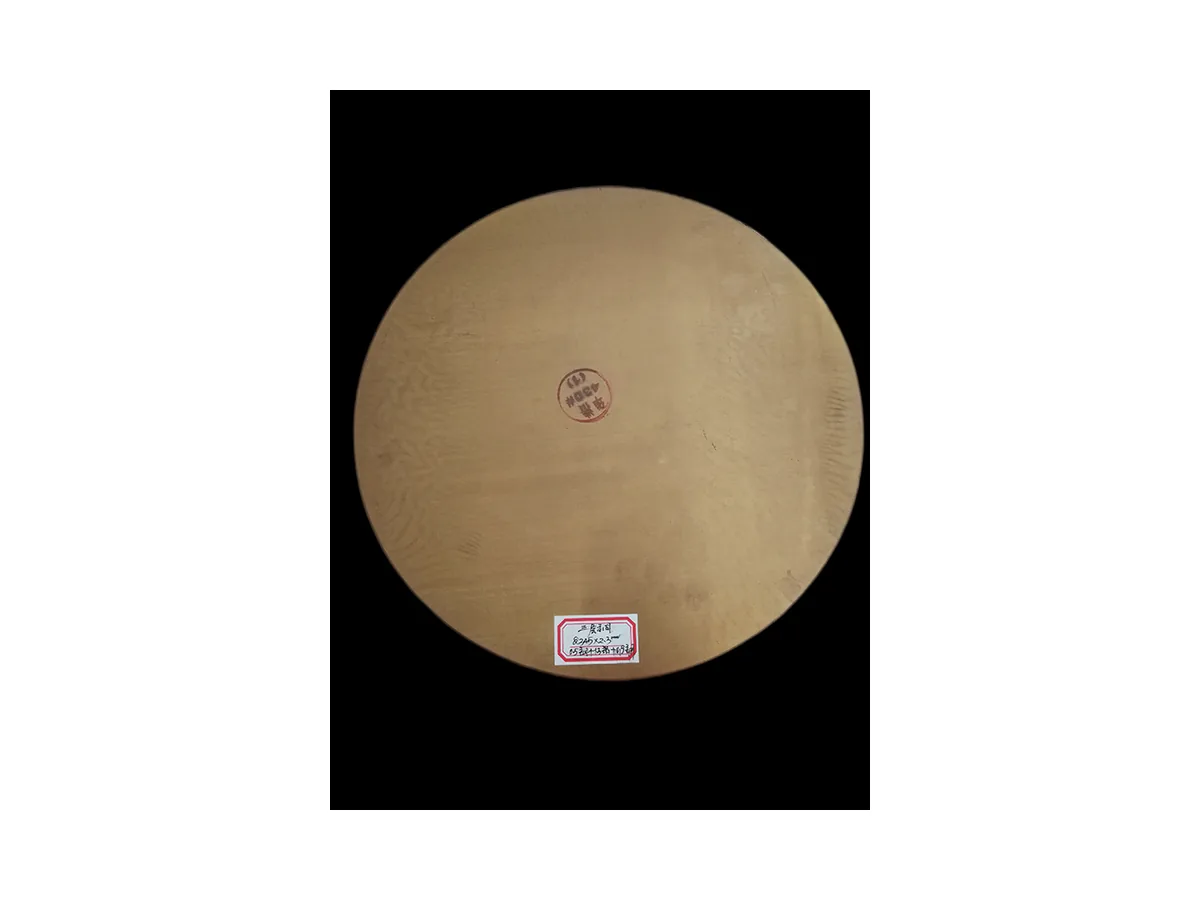
Weight decides the shelf, not the spec sheet
A 5-ply pan at 3.4 mm is noticeably heavier than a 3-ply at 2.5 mm and both are defensible. Retail buyers notice weight in the hand before they read the box. Position the structure against what the customer picks up, then check the cost works.
Induction is a yes or no question
All builds in this table that include a 430 layer work on induction. A 2-ply without it does not, and no amount of thickness changes that. If the market is induction-heavy, the question is settled before conduction is discussed.
Where the price actually gathers
The step from 3-ply to 5-ply is mostly extra rolling passes and extra metal. The step to copper is a different input price entirely. Most ranges sit in 3-ply and use 5-ply only at the top, which is a commercial decision made before the structure is drawn.
How to use the table
Pick the row the range has to sit in, then write the split and the gauge. Two structures can share the same surface and edge treatment, which keeps a family looking consistent while the price steps between them.
Questions
Common questions
Is 5-ply better than 3-ply?
It conducts and holds heat better and costs more. For most home ranges the difference is small; for professional and premium lines it is the reason to buy.
Can a 2-ply pan work on induction?
Only if it carries a magnetic layer or an inserted base. A plain stainless and aluminium 2-ply does not couple to an induction coil.
Why use 316L on the cooking face?
Better resistance to salt and acid, which matters in marine markets and in long-simmer cooking. It costs more than 304.
Which structure draws best?
Softness matters more than ply count: a well annealed 3-ply draws more easily than a hard 2-ply.
Can we offer two structures in one range?
Yes, and it is common: a 2.5 mm 3-ply for the volume line and a 3.2 mm 5-ply for the premium line, with the same finish.