Clad metal for Polish cookware manufacturers
Poland has become one of Europe's cookware factories: lower costs than the west, EU membership, and brands that export across the continent. The specification is European; the price expectation is not.
At a glance
Specification at a glance
| Item | What Polish buyers usually ask | How it is handled |
|---|---|---|
| Structure | 3-ply, 5-ply for premium lines | Structure drawing signed with the order |
| Compliance | Declaration of compliance, SVHC statement, grade reports | Issued per structure and grade |
| Entry | Gdansk, Gdynia | Port stated in the quotation |
| Tolerance | Gauge and flatness stated on the drawing | Agreed per order, inspected per lot |
| Documents | Invoice, packing list, B/L, certificate of origin, mill certificate | Issued with every lot |
| Payment | Advance or LC on a first order | Agreed before production |
A manufacturing country inside the single market
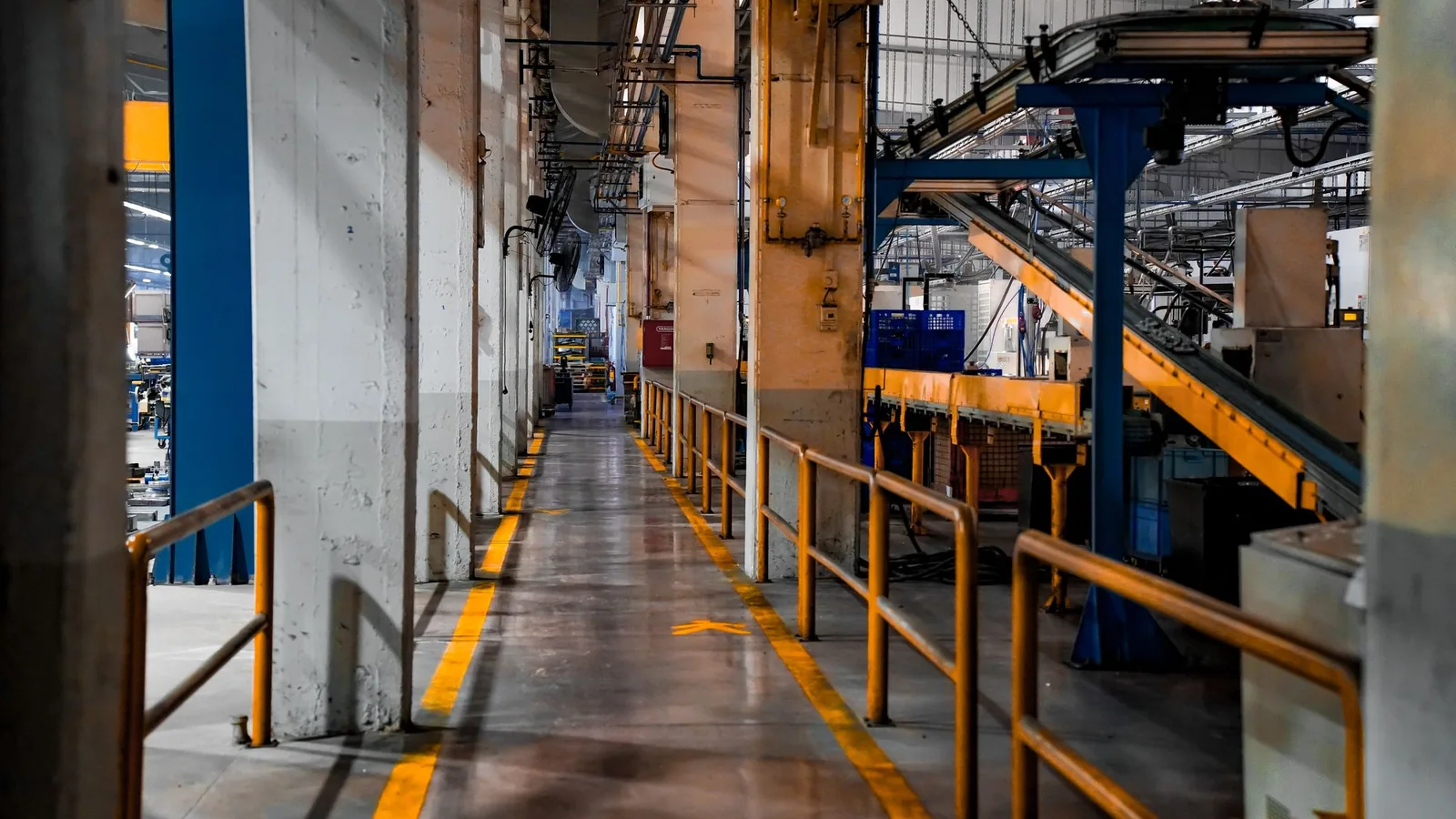
Polish plants sell into Germany, Scandinavia and their own market, so the material has to satisfy EU food-contact rules and the quality expectation of a German buyer at a Polish cost base. That combination is the reason the specification conversation is precise and the price conversation is hard.
Where the material enters
Gdansk and Gdynia handle most container traffic from Asia, with good rail links south and west. Transit is short compared with southern Europe and the route is well served, which makes smaller, more frequent shipments practical for a lean factory.
Documents before price
A Polish buyer will ask for the declaration of compliance and the SVHC statement before discussing volume. Those documents are issued against the structure and grade combination, so an enquiry that names the grade exactly gets a faster answer.
Competing with western European mills
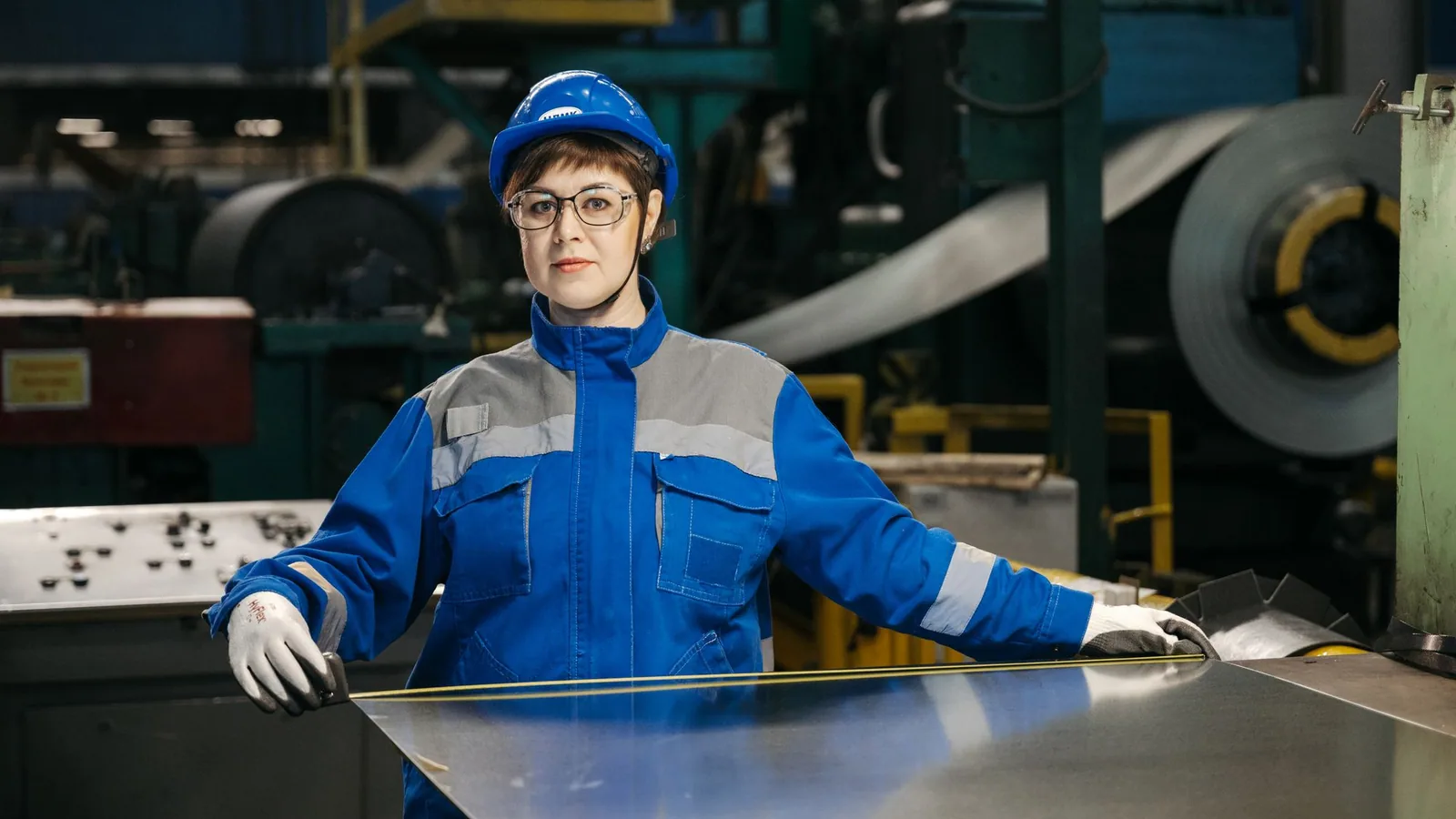
Domestic mills hold the premium accounts on service and proximity. An imported structure competes on price and on documentation completeness, which means the reply has to be quotable: gauge, tolerance, packing and documents all settled in the first message.
What to specify
Structure with grades, gauge with tolerance, form, surface with Ra range, flatness, packing, and the document set. Then the forecast, because a plant scheduling against an annual programme needs a supplier who can hold a repeatable lot.
Questions
Common questions
Do you provide an EU declaration of compliance?
Yes, naming the structure, the grades and the intended use, issued against the combination actually supplied.
Which ports do you ship to in Poland?
Gdansk and Gdynia are the usual entries. The port and the Incoterm are stated in the quotation.
Can you match a German mill's tolerance?
Tolerance is quoted per order. A tight gauge or flatness requirement is stated on the drawing and inspected per lot.
Is a 5-ply build available for premium lines?
Yes, and copper core. Both are quoted against the drawing rather than from a list.
How long does the route take?
Short for an Asia to Baltic route, and the quote states the sailing window rather than a factory lead time alone.