2-ply clad metal
One stainless face bonded to aluminium: the lightest way to get a clad cooking surface, for pans sold to gas and radiant hobs rather than induction. Huahao is a 2-ply clad metal manufacturer and supplier: a Fujian factory bonding a stainless face to aluminium for cookware plants buying light-gauge pan material in bulk.
At a glance
Specification at a glance
| Field | What to specify | How it is confirmed |
|---|---|---|
| Cooking face | 304 or another grade, per structure | Mill certificate for the coil |
| Body | Aluminium grade and thickness | Thickness scan on the finished sheet |
| Total thickness | Nominal plus tolerance | Inspection record per batch |
| Form | Disc, blank or sheet | Measured on the form supplied |
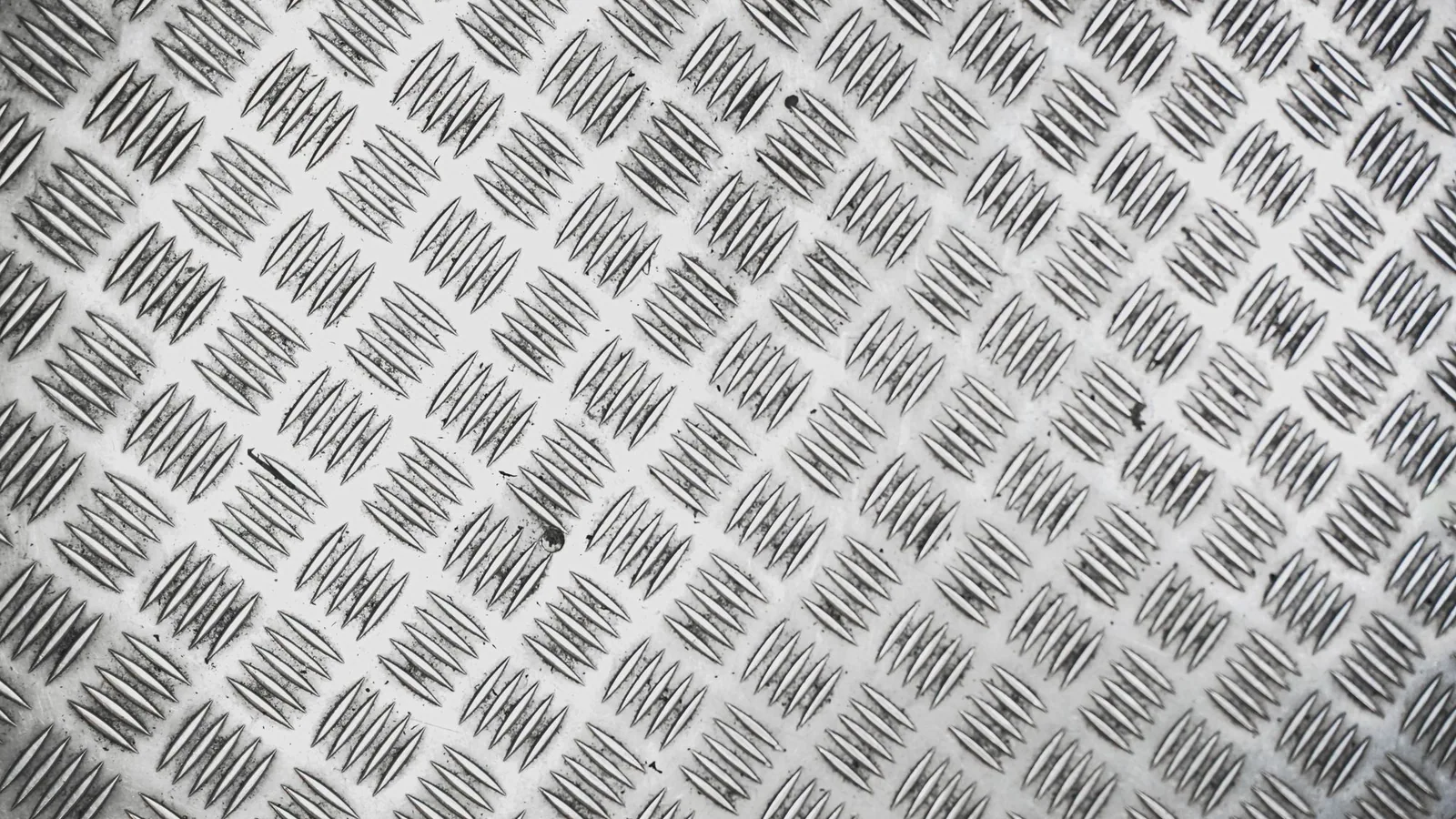
| Surface | Plain, embossed or etched | Pattern sample before the run |
| Hob compatibility | Gas, radiant, or induction with a separate base | Stated in the quotation, not assumed |
| Documents | Mill certificate and inspection record | Issued with the batch |
| MOQ | Quoted per structure and form | Agreed in the order confirmation |
| Sample policy | Sample discs or cut sheet with batch documents | Sample record before the run |
| Lead time | Quoted against a production slot | Confirmed at order |
Also specified as: two layer clad, stainless and aluminium (aluminum) composite, light-gauge clad strip for gas hob pans.
Reference values
2-ply layer structure (reference values)
Reference values, not a specification. These are the builds the market normally asks for at this ply count; the layer split for your pan is confirmed on the drawing before the first batch, and we will tell you when a requested split is outside what the line can bond.
| Layer | Grade | Thickness (reference) | Job |
|---|---|---|---|
| Cooking face | 304 | 0.40 to 0.50 mm | Food contact |
| Body | 1050 aluminium | 2.00 to 2.60 mm | Heat spreading, light weight |
| Total | 2 layers | 2.40 to 3.10 mm | No magnetic face |
What two layers buy you
A two-layer structure puts stainless where the food is and aluminium where the heat is. It is lighter than three-ply at the same total thickness, it costs less because there is no second stainless skin, and it draws well because the aluminium does most of the forming. For a pan that is sold on heat response and weight rather than on induction, that is often the rational choice.
What it cannot do
Two layers mean no magnetic face. A pan made from stainless and aluminium will not work on an induction hob unless a separate magnetic base is added during press forming, which is a different product. If induction is in the range, three-ply with a 430 face is the structure to specify, and the surface in the pan is unchanged.
Where it is used
Typically in frying pans, saucepans and milk pans for gas and radiant hobs, and in markets where induction share is still small. It is also used where weight is the selling point: an aluminium body with a stainless face is noticeably lighter in the hand than a three-ply pan of the same size.
Specifying a two-layer structure
State the cooking face grade, the aluminium grade and thickness, the total thickness and tolerance, the form, and whether the pan must work on induction. That last field decides whether two layers are viable at all; leaving it out is how a two-layer structure ends up in an induction range and comes back as a complaint.
Questions
Common questions
Will a 2-ply pan work on induction?
Not by itself. Two layers have no magnetic face, so induction needs a separate magnetic base added in forming, or a three-ply structure with a 430 face.
Is 2-ply cheaper than 3-ply?
At the same total thickness, yes: there is one stainless skin instead of two. The difference is a material cost, not a processing discount.
Is it less durable?
The cooking face is the same stainless. What changes is heat distribution and stiffness, which is why thick aluminium-bodied pans are usually a little more sensitive to hot spots than three-ply.
Can it be embossed or etched?
Yes, on the stainless face. The pattern is applied before the material is cut to form.
Which grades are available?
The cooking face is normally 304. The exact combination for your pan is confirmed against the structure drawing before the first batch, because the layer split decides both heat response and cost.