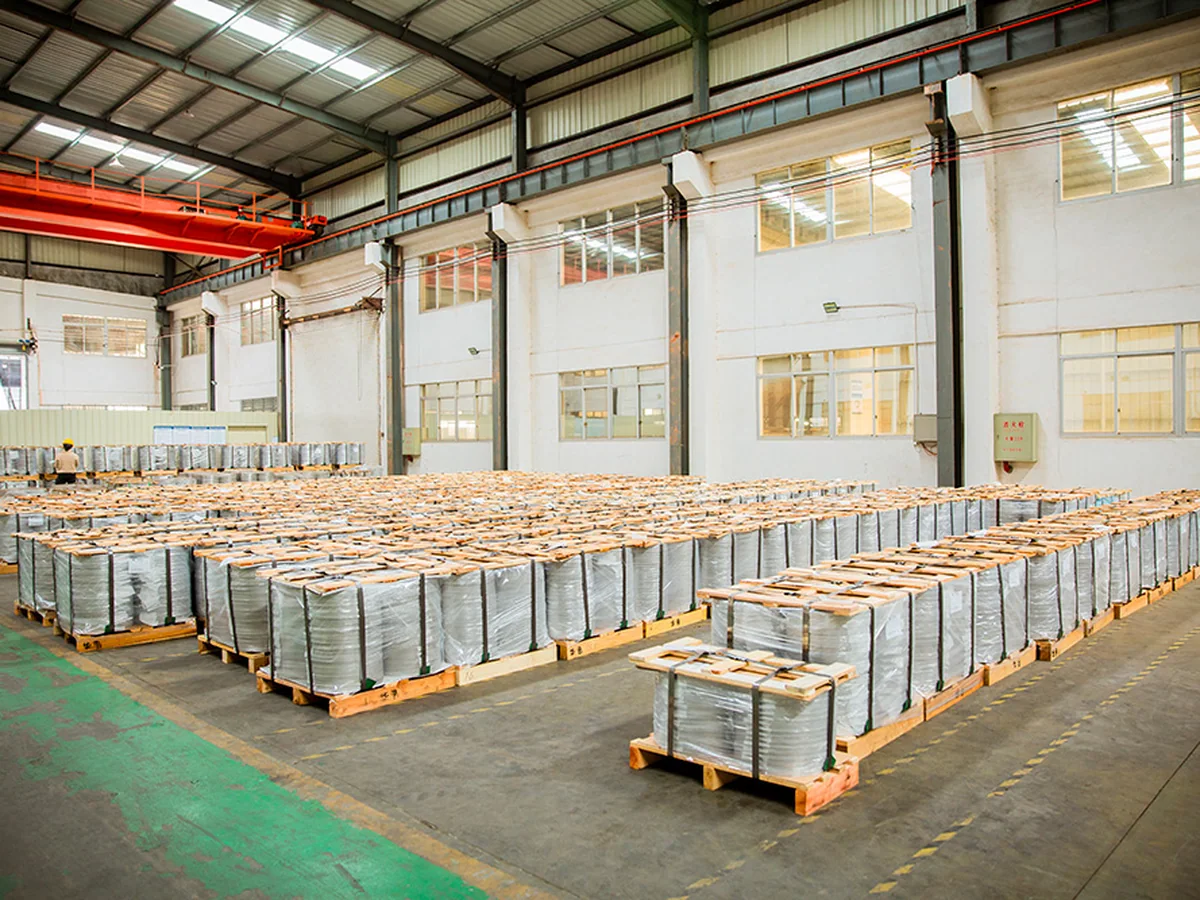
Custom cookware clad metal
A custom structure is a grade set, a layer ratio and a dimension set agreed against a drawing or a reference sample. What can be changed, and what cannot be promised before a trial, is set out below so the first technical reply is useful rather than polite. Huahao is a custom clad metal manufacturer and supplier: a Fujian factory that builds a layer structure, a gauge and a cutting plan around a cookware drawing, for plants buying a bespoke structure in bulk.
At a glance
Specification at a glance
| Variable | Options discussed | Decided by |
|---|---|---|
| Cooking face | SUS304, SUS316L | Corrosion requirement and specification |
| Core | AL1050, AL3003, copper | Thermal target and price position |
| Induction face | SUS430 | Induction requirement |
| Thickness | Per layer and total, with tolerance | Drawing and press capability |
| Dimension | Diameter, width, length, blank shape | Cookware design and yield |
| Surface | Plain, embossed or etched | Product appearance and tooling |
| Documents | ROHS, REACH, food-contact, inspection record | Buyer specification and market |
| MOQ | Quoted per structure and form | Agreed in the order confirmation |
| Sample policy | Sample discs or cut sheet with batch documents | Sample record before the run |
| Lead time | Quoted against a production slot | Confirmed at order |
Also specified as: bespoke clad composite, custom layer ratio sheet, made to drawing.
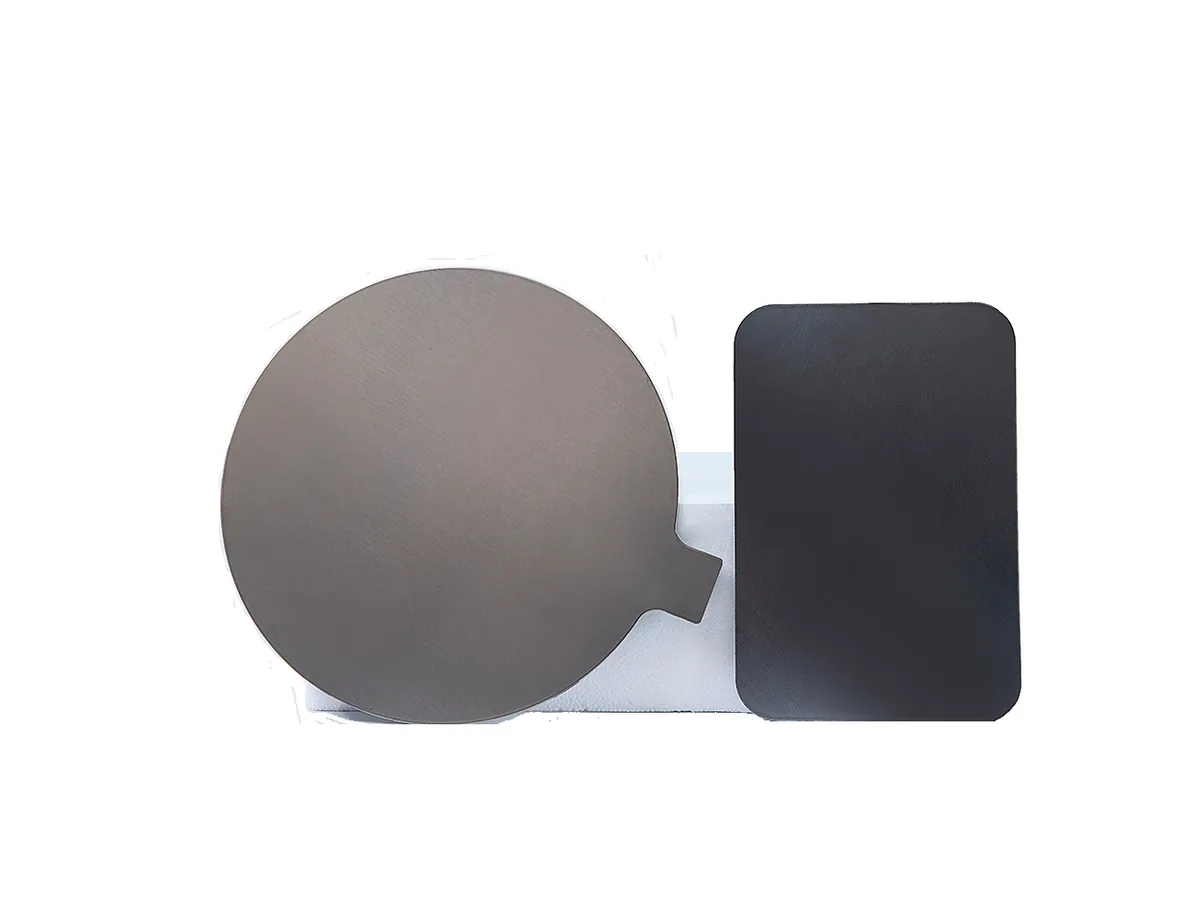
Starting from your cookware
Development begins with the pan, not the mill: hob type, body depth, handle fixing and target weight decide the layer stack. Tooling and pattern questions come after the structure is agreed, which is why the first reply is a technical review rather than a price list.
What can be customised
Within the structures the plant can produce, the variables are: the stainless grade on each face, the core material, the layer sequence, the thickness of each layer, the total thickness, the disc diameter or sheet size, the surface treatment and the blank shape.
Each variable interacts with the others. Increasing the core to improve heat spread changes the total thickness, which changes the draw, which changes the diameter allowance. A custom enquiry is reviewed as a set of numbers, not field by field.
What cannot be promised before a trial
Three things are never promised on paper alone: that the structure will draw to a given depth in your tooling, that a bond will hold through a specific thermal cycle in the finished pan, and that a grade will pass a food-contact regime in the destination market. Each of those is a test result, not a material property.
What we state is the structure, the thickness and the tolerance we will supply, plus the documents that ship with the batch. Then a sample is tested, and the acceptance criteria are written down before the bulk order.
How the review runs
Send the drawing or reference sample, the cookware design, the hob type, the forming process and the expected annual volume. We answer with the structures worth testing, the fields still open and the sample plan.
A custom project does not need a finished specification to start. It needs enough information for the plant to say whether the direction is feasible, and that is usually a drawing plus a target weight.
Questions
Common questions
Can I send my own drawing?
Yes, and it is the preferred way to start. PDF and common CAD exports are accepted; a dimensioned drawing is more useful than a model without tolerances.
Can I match a competitor's material?
We can review a sample or a specification you provide and say whether an equivalent structure is producible. We will not copy a competitor's trademark or claim their certification.
What is the smallest custom order?
It depends on the structure and on whether the batch can share a production schedule. Send the quantity and we state the minimum for that structure.
Do you sign confidentiality agreements?
Where a drawing or a development project needs one, raise it at the start of the enquiry and it is handled with the quotation.
How long does a custom development take?
The technical review is quick; the sample and the forming trial take the time. The sequence is confirmed in the quotation rather than promised as a fixed number of weeks.