Food-contact compliance: what can be declared, and what cannot
Compliance is a document set, not a badge. Understanding which document does which job stops a buyer from accepting a claim that will not survive an audit.
At a glance
Specification at a glance
| Framework | What it requires | What a material supplier can issue |
|---|---|---|
| US food contact | Materials suitable for their intended use; compliance is determined by the supplier and the article maker | Written statement of grades and intended use, plus mill certificate |
| US California Prop 65 | Warning requirement for listed substances above thresholds | Statement of what is known for the grades supplied; test data where it exists |
| EU 1935/2004 | Framework regulation for food-contact materials | Declaration of compliance naming material, grades and use conditions |
| EU GMP 2023/2006 | Good manufacturing practice | Statement that the process is run under GMP |
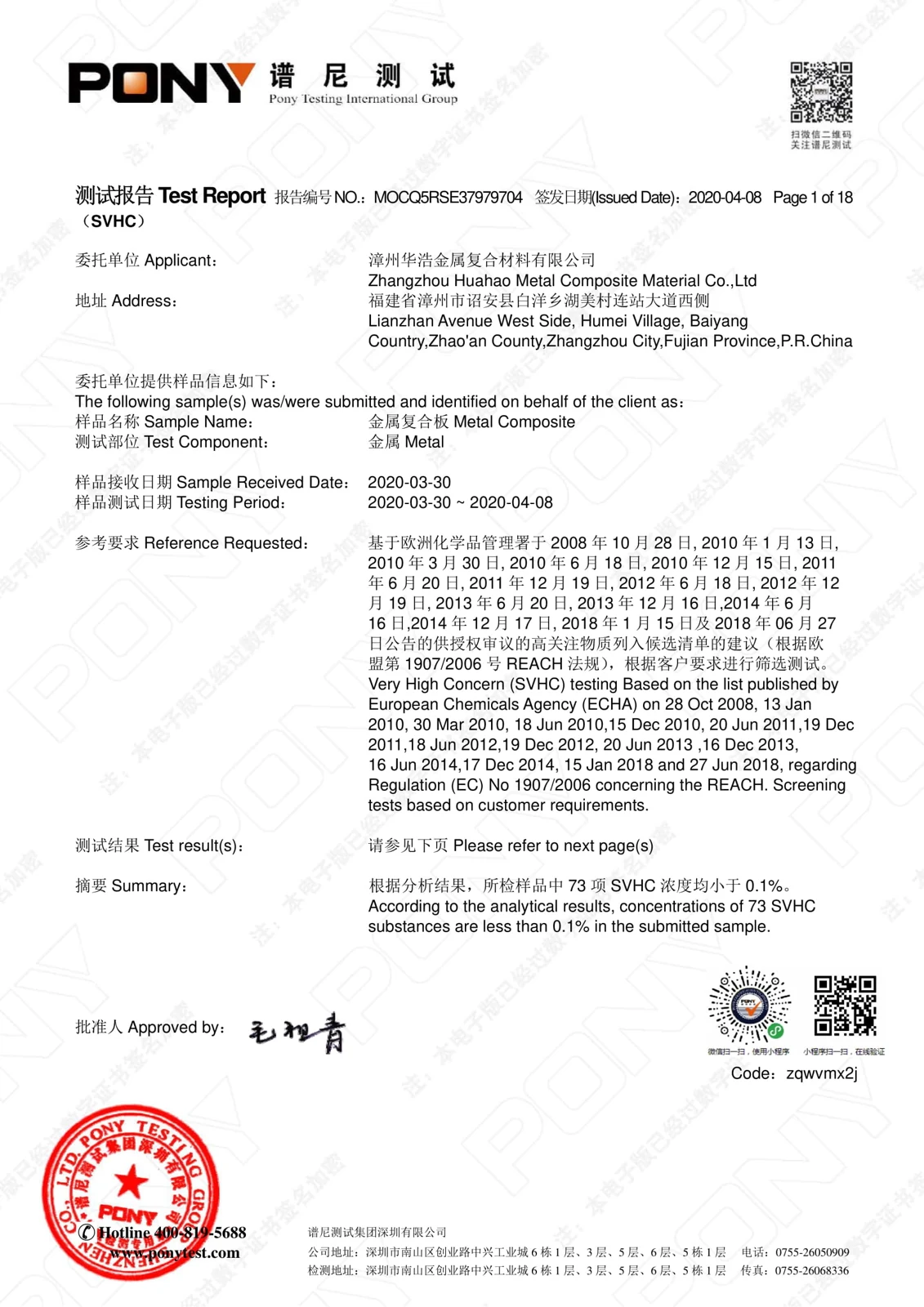
| EU REACH | SVHC above 0.1 percent must be declared | SVHC statement for the material as supplied |
| National EU rules | LFGB, Italian ministerial decree, DGCCRF | National declarations where the grades are covered |
The distinction buyers mix up
A material supplier can state which grades are supplied and that they are intended for food contact. A material supplier cannot certify the finished pan, because the pan has a coating, a handle and a manufacturing process that the material supplier does not control. When a buyer asks for "FDA certification" of clad metal, the honest answer is that no such certificate exists for the material, and that the useful document is the statement plus the test data.
What the EU declaration actually says
A declaration of compliance names the material, the grades, the intended use, the conditions covered and the regulation it is issued under. Anything narrower is a statement of opinion; anything broader is a claim the supplier cannot support. For metals there is no harmonised EU measure, so the declaration is written against the framework regulation plus the national rules that apply where the buyer sells.
Testing: what exists and what does not
Restricted-substance panels (lead, cadmium, mercury, hexavalent chromium, and in some buyers' files phthalates and beryllium) are routine and are reported per grade. Migration testing at use conditions is a different exercise, run against the food simulant and temperature the file requires. A supplier who quotes a migration figure without stating the conditions has not given you a result.
Prop 65 and the finished article
Prop 65 is a warning requirement, and the decision about whether a warning is needed belongs to the brand selling the pan, based on the finished article. What the material supplier can do is state what the grades contain and supply test data where it exists. A blanket "Prop 65 compliant" line on a material datasheet is not a defence for the brand and should not be treated as one.
How to build the file
Start from the destination and the retail customer's checklist. Collect: grade statement, declaration of compliance or food-contact statement, restricted-substance reports per grade, mill certificate per batch, and any migration report your file requires. Then check that every document names the same grades as the purchase order. Documents that name different grades are the most common audit failure, and the cheapest to avoid.
Questions
Common questions
Can you provide an FDA certificate?
No, because the FDA does not certify materials. We provide a written statement of the grades and their intended food-contact use, plus the mill certificate and any test reports held for those grades.
Do you issue a declaration of compliance for the EU?
Yes, for the structure and grade combination supplied, naming the material, the grades, the intended use and the conditions covered.
Is migration testing included?
Where a report exists for the grade and finish supplied it travels with the documents. Where it does not, testing can be arranged against the conditions your file requires.
What about coatings on the pan?
The coating is a different material with its own framework, and its compliance belongs to the coater or the pan maker, not to the clad material supplier.
Which is stricter, the US or the EU?
They are different in shape rather than strictness: the US relies on suitability plus warning requirements, the EU on declarations and migration limits. A file built for one does not automatically satisfy the other.