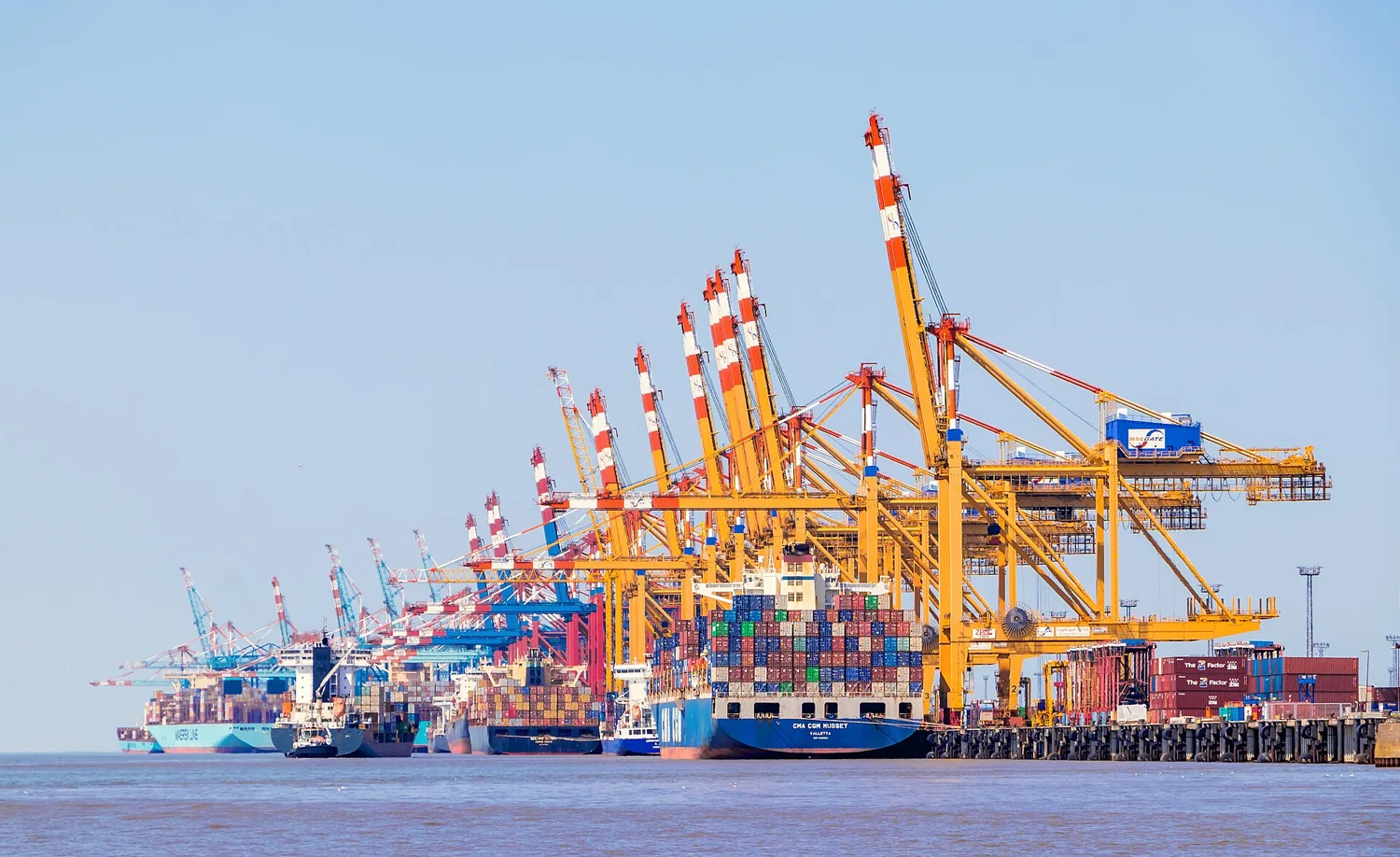
Clad metal for Southeast Asian cookware factories
Southeast Asia is the fastest-growing cookware manufacturing region and the most varied in import rules. The material is the same; the paperwork is not.
At a glance
Specification at a glance
| Country | Typical requirement | Who arranges |
|---|---|---|
| Vietnam | Certificate of origin, product self-declaration by the factory for food contact | Factory declares; we supply material documents |
| Thailand | Certificate of origin, TISI standards for some product categories | Importer; we support with technical documents |
| Indonesia | SNI for some categories, import approval and registration for certain goods | Importer of record; rules change, confirm before shipment |
| Malaysia | Certificate of origin, and Form D where intra-ASEAN preference applies | Shipper for the form, buyer for the claim |
| All | Invoice, packing list, B/L, mill certificate, inspection record | Shipper |
Why the region matters to a material supplier
Cookware production has been shifting into Vietnam, Thailand and Indonesia for a decade, driven by labour cost and by trade routes. Those factories buy clad material in growing volumes and increasingly specify structures rather than buying whatever is available.
The result is a market that rewards a supplier who can hold a tolerance and document a batch, and punishes one who cannot, faster than the traditional markets do.
Preference schemes change the price, not the material
Intra-ASEAN trade can claim preferential treatment with Form D under ATIGA, and some routes carry other arrangements. Material of Chinese origin does not qualify for intra-ASEAN preference, but a factory in the region that re-exports may still claim preference for its finished goods depending on the rules of origin for the pan.
That is a question for the factory's customs adviser, and it is worth asking before a pricing decision is built on it.
Local conformity is the variable
Indonesia applies SNI to some product categories and requires import approvals that change with regulation; Thailand applies TISI standards to some goods; Vietnam relies more on factory self-declaration for food-contact material. None of this is decided by the supplier, and all of it is decided before the container arrives.
Short transit, frequent sailings
Transit from Fujian to Ho Chi Minh City, Laem Chabang or Jakarta is short, which reduces the moisture risk and makes smaller, more frequent shipments practical. For a factory running lean, that is often more valuable than a lower freight rate on a full container.
What to specify
The structure, the gauge, the diameter or coil width, the surface, the packing that suits a humid warehouse, and the document set for the destination. Then say whether the factory re-exports, because that changes which documents matter.
Questions
Common questions
Do you ship to Vietnam, Thailand and Indonesia?
Yes. The port and the Incoterm are stated in the quotation; Ho Chi Minh City, Laem Chabang and Jakarta are common entries.
Can you supply Form D?
Form D is for intra-ASEAN trade and applies to goods originating in ASEAN. Material of Chinese origin does not qualify; your customs adviser should confirm what applies to your finished goods.
Does Indonesia require SNI for clad material?
SNI applies to some product categories and the requirement changes with regulation. Confirm with your importer before shipment; we supply the technical documents the application needs.
How is humidity handled in packing?
Wrapped with desiccant and packed on treated timber. In a humid warehouse, keeping bundles off the floor matters as much as the wrapping.
Can you ship smaller quantities more often?
Short transit makes that practical. Volume and frequency are quoted together so the freight can be compared honestly.
What documents come with the material?
Invoice, packing list, bill of lading, certificate of origin, mill certificate and inspection record, plus the compliance documents for the grades.