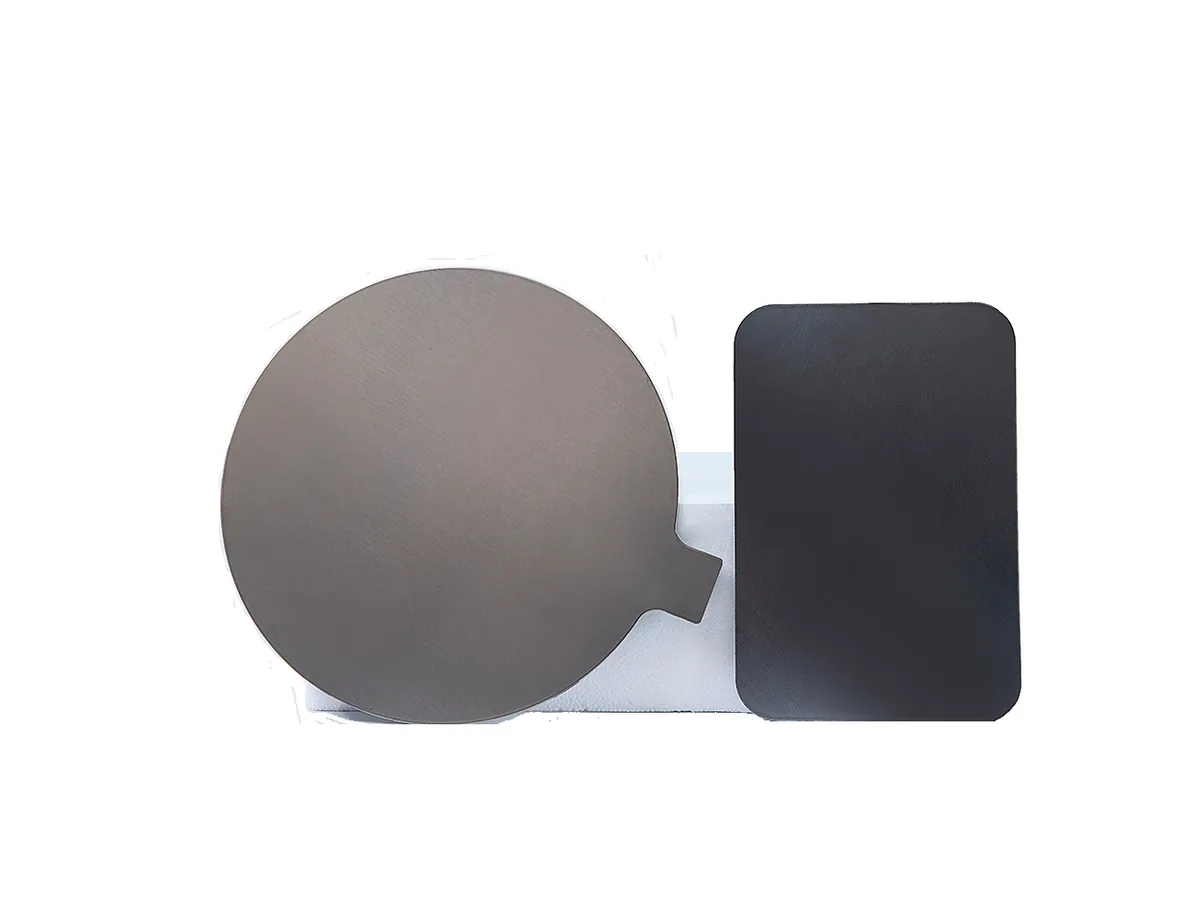
Develop clad metal to your specification
OEM work here means making material to a buyer's drawing. ODM work means proposing a structure when the buyer has a performance target but no drawing yet. Both run through the same four stages, and both depend on writing down what has to be true before the bulk order.
At a glance
Specification at a glance
| Stage | Input from the buyer | Output |
|---|---|---|
| Define | Cookware design, hob type, weight, draw depth | Candidate structures and open fields |
| Specify | Chosen structure and document list | Written specification with tolerances |
| Sample | Tooling for the trial, acceptance criteria | Approved reference sample |
| Bulk | Order quantity and delivery schedule | Material to specification, with documents |
Stage one: define what the material has to do
The starting point is the cookware, not the grade. Hob type, body geometry, target weight, draw depth, expected thermal performance and price position decide which structures are worth testing. A buyer who arrives with a grade list only has usually inherited it from a previous supplier and does not know why it was chosen.
Output at this stage: two or three candidate structures, the fields still open, and an honest answer on which combinations are not producible.
Stage two: write the specification
Once the structure is chosen it becomes a written specification: grade per layer, thickness per layer, total thickness with tolerance, form and size, surface treatment, flatness limit, edge condition and the documents that ship with the batch.
This document is the contract for everything that follows. It is also why a quotation can be compared between suppliers, since two quotes against the same written specification are comparable and two quotes against a grade name are not.
Stage three: sample and forming trial
A sample only proves something if it is tested the way the bulk order will be used. That means pressing it in the customer's tooling, or a representative trial, and checking the result against the criteria agreed in stage two: thickness after forming, bond integrity at the radius, surface condition and flatness.
Sample approval is where both sides sign the reference. Later disputes are then about a deviation from a reference, which is a technical question with an answer, instead of an argument.
Stage four: bulk production and repeat orders
Bulk production runs to the approved specification, with the inspection plan and documents agreed at stage two. Repeat orders reference the same specification, so a change in raw material supply does not quietly change the material the customer receives.
If a change is unavoidable it is raised before the batch, not after it. Change control is what keeps a long-term supply agreement from becoming a series of surprises.
Questions
Common questions
Can you work from a sample instead of a drawing?
Yes, but a dimensioned drawing is better, because a sample does not state tolerance, flatness limit or the documents required.
Will you sign an NDA?
Where a drawing or a development project needs one, raise it at the start and it is handled with the quotation.
Can the layer ratio be adjusted to hit a cost target?
Layer ratio is one of the levers. It is reviewed with the draw and the thermal target, because changing the ratio changes both forming behaviour and price.
Who owns the tooling for a custom blank?
Tooling and mask arrangements are agreed in writing per project, because etched patterns and pressed patterns use different tooling.
How does change control work after approval?
Any change to grade, thickness, pattern or source is raised before production and approved in writing against the specification.