How to choose a clad metal supplier: ten checks
Most suppliers answer the same questions in the same words. These ten checks are the ones that produce different answers, and most can be settled before a visit.
At a glance
Specification at a glance
| Check | What to ask | Answer that separates a plant |
|---|---|---|
| Line ownership | Do you own the composite line? | A line, a capacity figure and a visit date |
| Bond test | Which test, how often, what criterion? | A named method and a number, not a promise |
| Thickness tolerance | Tolerance on total and per layer? | Stated per layer, measured across the sheet |
| Documents | Which reports exist for this grade? | Specific report names per grade |
| Sample policy | Paid or free, how long? | A sample with its batch documents attached |
| Traceability | Can you trace a disc to the coil? | Batch reference on the label and the record |
| Packing | How is it packed for sea freight? | A described method, not a generic phrase |
| Lead time | What is the actual window? | A date range tied to a production slot |
| Export experience | Which markets, which ports? | Named ports and documents used there |
| Change control | What happens if the structure changes? | A written re-approval step |
Why the obvious questions do not work
Every clad supplier says it is a manufacturer, offers competitive prices and replies within 24 hours. Those statements carry no information because they are the same for a plant and for a trading company with a phone. The checks below are chosen because a trader cannot answer them without revealing the gap.
1. Line ownership
Ask which line the structure runs on, how many lines the plant operates, and when you can see them. A plant answers with line types and a date. A trader answers with adjectives. This single question filters most of the market, because roll-bonding lines are capital-intensive and few companies own one.
2. Bond testing
Ask which test is run (peel, shear or bend), on what frequency, and what the acceptance criterion is. A plant answers with a method and a value. A trader forwards your question to someone else and comes back with high strength, or with no delamination, neither of which is a test result.
3. Thickness tolerance
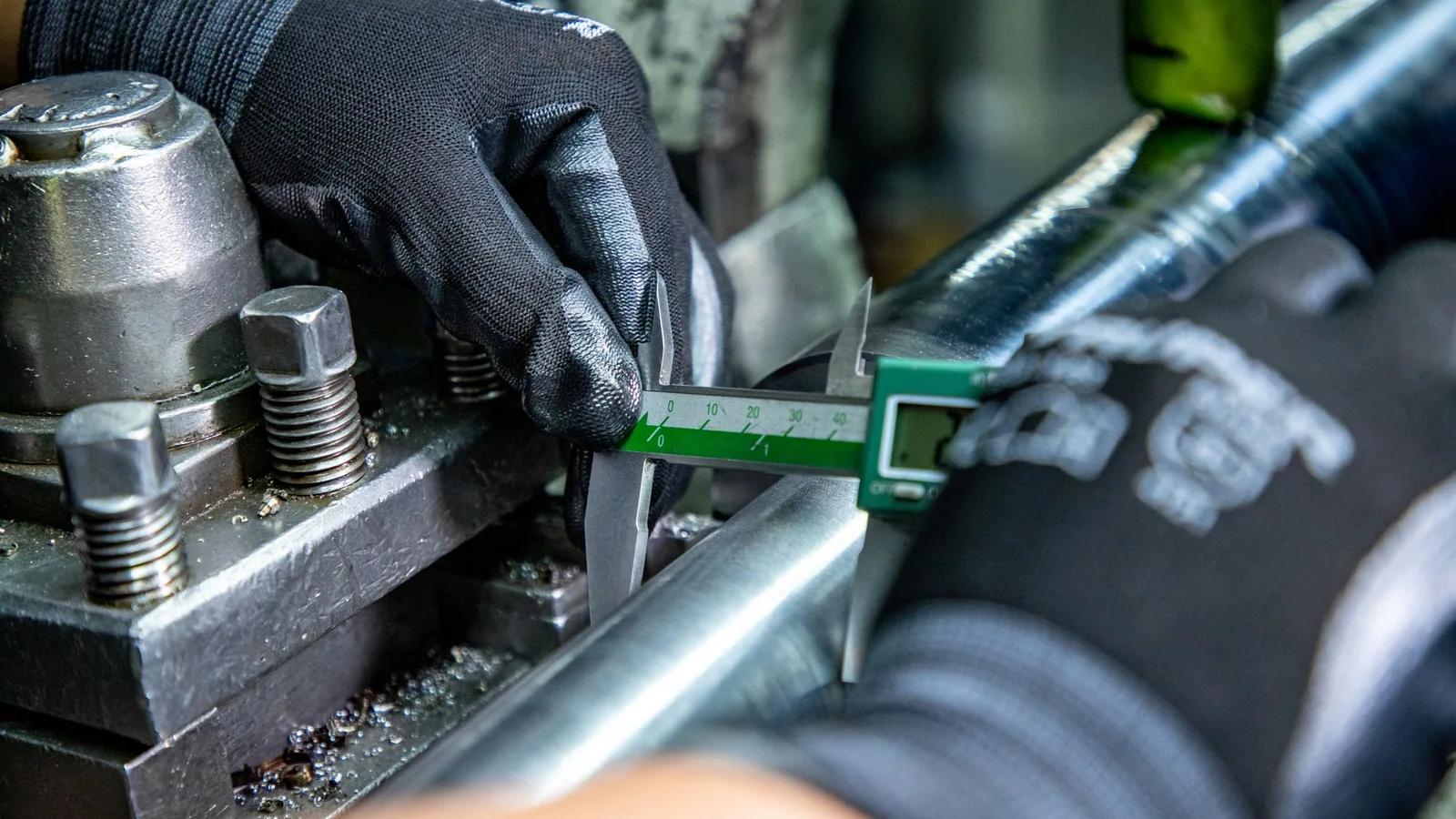
Ask for the tolerance on total thickness and on each layer, and where it is measured. A serious answer distinguishes the tolerance at the head of the coil from the tolerance on a cut disc, and says which one appears on the inspection record.
4. Documents per grade
Ask which report exists for the exact grade in your structure, not for stainless steel in general. A plant knows that ROHS, REACH and food-contact coverage differ per grade, and will say so before you order rather than after.
5. Sample policy and batch documents
Ask whether the sample comes with the batch documents and whether it is taken from the same coil as the quoted material. A sample without documents proves the shape, not the material.
6. Traceability, packing and lead time
Ask how a disc on a pallet traces back to the coil, how the pallet is packed for a sea container, and what the lead time is against a production slot rather than a calendar. These three answers tell you whether the supplier has shipped clad before.
7. Change control
The last check matters after the first order. When a grade or thickness changes, is the change re-approved in writing with a new sample, or absorbed silently into the next run? A plant with an ISO 9001:2015 system answers this from procedure. A trader improvises.
What a visit settles in ten minutes
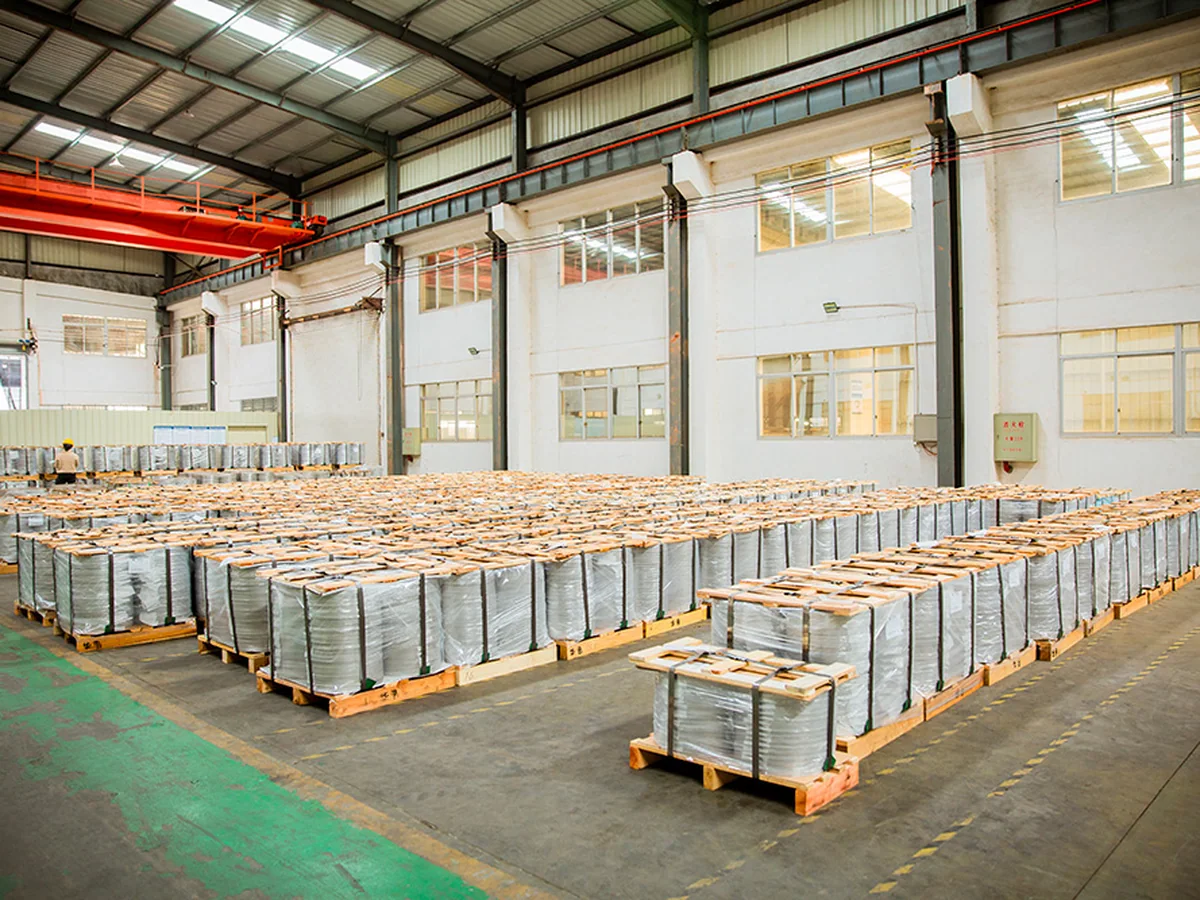
If a visit is possible, three things are worth seeing: the coil store, dry, off the floor and wrapped; the line running your structure; and the inspection bench with the record book open. Everything else in a supplier presentation is available in a brochure.
Questions
Common questions
How many clad metal plants own a roll-bonding line?
Very few compared with the number of companies quoting clad metal, which is why line ownership is the first check. A company that trades the material can quote any structure and hold no tolerance across a run.
Is a mill test certificate enough?
It covers coil chemistry and mechanicals, not the bond or the finished tolerance. Ask for the inspection record for the finished form as well.
What should a sample include?
The material, the batch reference it came from, and the documents for that batch. A sample without a reference cannot be compared with the production run.
Should I insist on ISO 9001?
It is a signal rather than a guarantee, but a certified plant can produce a documented change-control step. Without one, structural changes are handled by memory.
How do I check a supplier before ordering?
Ask the ten questions above, compare which ones produced specific answers, and buy one sample with documents before the first container.