Buying
What drives the cost of cookware clad metal
Clad is priced from four things: the metal in the structure, the thickness split, the yield of the form you buy, and the processing behind it. Quotes that differ only in total price are usually differing in one of those.
At a glance
Specification at a glance
| Cost driver | What moves it | Effect on price |
|---|---|---|
| Metal content | Grade and mass per layer | The largest single item |
| Layer split | Thicker stainless versus thicker aluminium | Stainless costs more per kilo than aluminium |
| Total thickness | Heavier material per disc | Rises with mass |
| Form and yield | Disc versus sheet, nesting efficiency | Blanking scrap is priced in |
| Processing | Annealing, etching, embossing, leveling | Adds a per-pass cost |
| Tolerance | Tighter thickness and flatness | More inspection and more rejects |
| Volume | Setup amortised over the run | Falls with order size |
| Documents | Extra reports and testing | Small but real |
Metal content dominates
Roughly speaking, the price of clad is the price of its metals plus conversion. The metals are priced from the market and move with it, so a quote is only valid for a stated period. This is why two quotes that differ by a few percent weeks apart may both be correct rather than one being a bargain.
The layer split is a design decision with a price
For the same total thickness, moving a tenth of a millimetre from the aluminium core to the stainless skins raises the price, because stainless costs more per kilo. It also changes the pan: more stainless means more weight and slower heat response, less stainless means a thinner cooking face and less corrosion margin. The split should be chosen from the cooking requirement and then priced, not the other way round.
Yield: where the quote is really won or lost
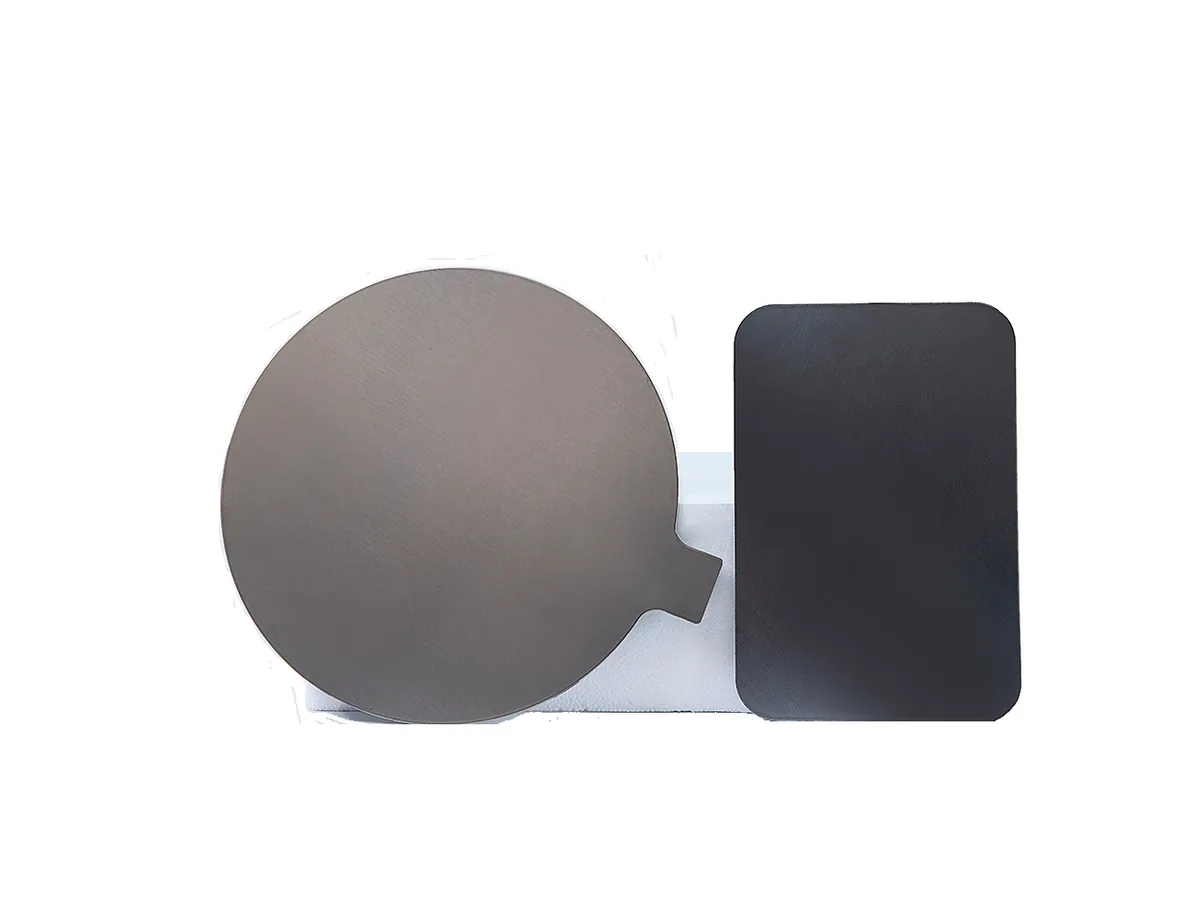
If you buy discs, the blanking web is in the price. If you buy sheet, it is not, but you own the offcut. The difference between a good and a poor nesting is often larger than the difference between two suppliers' conversion charges, which is why the form you buy changes the comparison. Ask what the quote assumes about yield.
Processing and tolerance
Annealing, leveling, etching and embossing are per-pass costs. Tighter tolerance adds inspection time and rejects, so a specification tighter than the drawing requires is paid for twice: once in the material and once in the rejection rate. Write the tolerance the press needs, not the tightest number available.
How to compare two quotes
Put four columns next to each other: structure and layer split, total thickness, form and yield assumption, and documents included. If the four match and the price still differs, the difference is conversion and volume, and that is a negotiation. If they do not match, you are comparing two different products.
Questions
Common questions
Why do clad quotes have a validity period?
Because the metal content is priced from the market. A quote holds the conversion price; the metal component is usually restated at order or shipment.
Is a thicker aluminium core cheaper?
For the same total thickness, yes: aluminium costs less per kilo than stainless. It also changes heat response and weight, so it is a design decision rather than a cost lever.
Does embossing or etching add much?
It adds a per-pass cost rather than a material cost, so the effect is proportionally larger on small orders than on container volumes.
Why is my disc price higher than the sheet price per kilo?
Because blanking scrap is inside the disc price. Compare the disc price against sheet price plus your own blanking cost and recoverable offcut.
How can I reduce the price without changing the pan?
Improve the nesting, buy the form that matches your process, relax tolerance to what the press needs, and increase the run length. Changing the layer split changes the product.