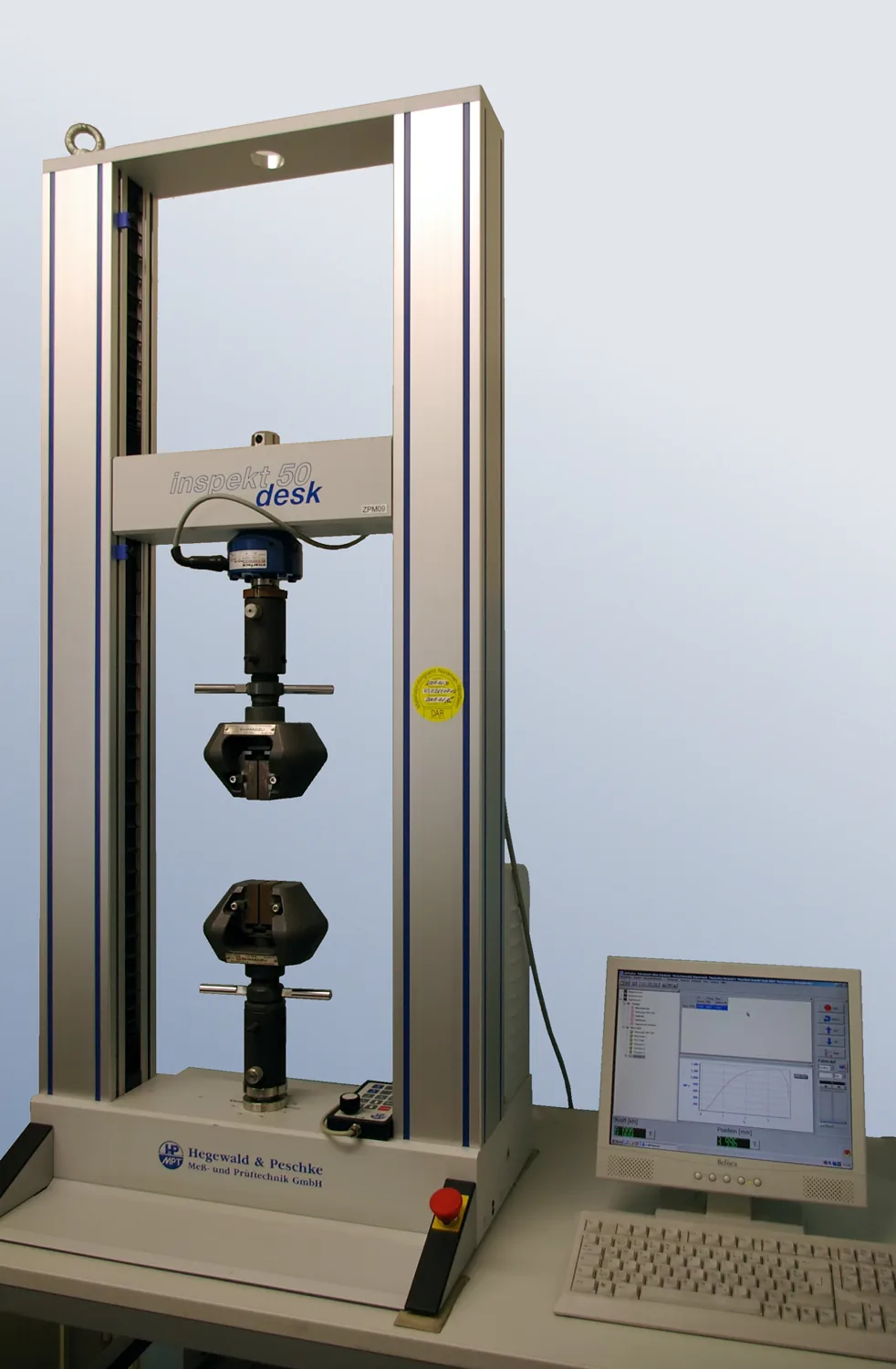
Testing
Pitting corrosion on a clad pan face
A pan that pits in service usually shows nothing at inspection. The pit starts where the passive layer is thinnest: a sheared edge, a polish scratch, a spot where salty water sat.
At a glance
Specification at a glance
| Condition | Risk | Mitigation |
|---|---|---|
| Sheared edge, unpolished | High | Deburr, polish the rim, passivate |
| Salt left on the surface | High | Rinse and dry, care instruction |
| Dishwasher with high chloride detergent | Moderate to high | State dishwasher suitability honestly |
| Polished face with embedded iron | Moderate | Clean tooling, acid passivation |
| 316L cooking face | Lower | Choose for marine and high-salt markets |
| 304 cooking face | Baseline | Fine for normal kitchen use with care |
What a pit needs
Chloride, water and a place to sit still. Salt left on a pan after cooking, a damp drawer, or detergent residue in a rim crease all supply the first two, and a sheared edge supplies the third. Remove any one and pitting slows dramatically.
Why edges are the weak point
Cutting disturbs the passive layer and can embed iron from the tool. A rim that is deburred and polished restores the surface; an unpolished rim gives corrosion a head start at exactly the place a user notices first.
What salt spray tells you and what it does not
Salt spray accelerates chloride attack and ranks grades against each other, which is useful for comparison. It does not reproduce a kitchen: no detergent, no heat cycles, no food acids, no abrasion. Treat a spray result as a grade comparison and a process check, not a service life prediction.
Specifying for a salt-heavy market
Where coastal humidity or heavy salt use is normal, a 316L cooking face, a polished rim and an honest care instruction do more than a thicker gauge. Thickness is not a corrosion variable.
Questions
Common questions
Does 304 rust?
It can pit in chloride conditions, especially at an unpolished edge or where salt sits. It is not rust-free, it is rust-resistant.
Is 316L worth the premium?
In coastal markets, marine use and long-simmer cooking with salt, yes. In a normal inland kitchen the difference is hard to see.
Can a pitted pan be repaired?
A surface stain can be cleaned; a pit removes metal and cannot be restored. Prevention is the specification.
Should pans go in a dishwasher?
Depends on the detergent and the water. Say what the material tolerates rather than claiming universal dishwasher safety.
Does the clad edge corrode differently?
The exposed core is more reactive than the stainless face, so edge treatment and coating matter for appearance and hygiene.