
Clad metal for Italian cookware makers
Italy designs cookware for the world and buys material for it from wherever the specification is met. The conversation is about finish, weight and consistency more than about price alone.
At a glance
Specification at a glance
| Item | What Italian buyers usually ask | How it is handled |
|---|---|---|
| Structure | 3-ply and 5-ply, copper core at the top | Structure drawing signed with the order |
| Compliance | Declaration of compliance, SVHC statement, grade reports | Issued per structure and grade combination |
| Finish | Satin, brushed, mirror, and pattern consistency between lots | Approved sample plus Ra range |
| Weight | Target weight per pan, tight | Gauge and core thickness chosen against it |
| Documents | Invoice, packing list, B/L, certificate of origin, mill certificate | Issued with every lot |
| Transit | Genoa and Trieste, short inland legs | Port stated with the quotation |
Design leads, arithmetic follows
Italian brands decide the pan's look and hand weight first, then look for a structure that reaches both. That inverts the usual conversation: instead of asking what a structure costs, the buyer asks what structure reaches 1.9 kg at 28 cm with a satin face.
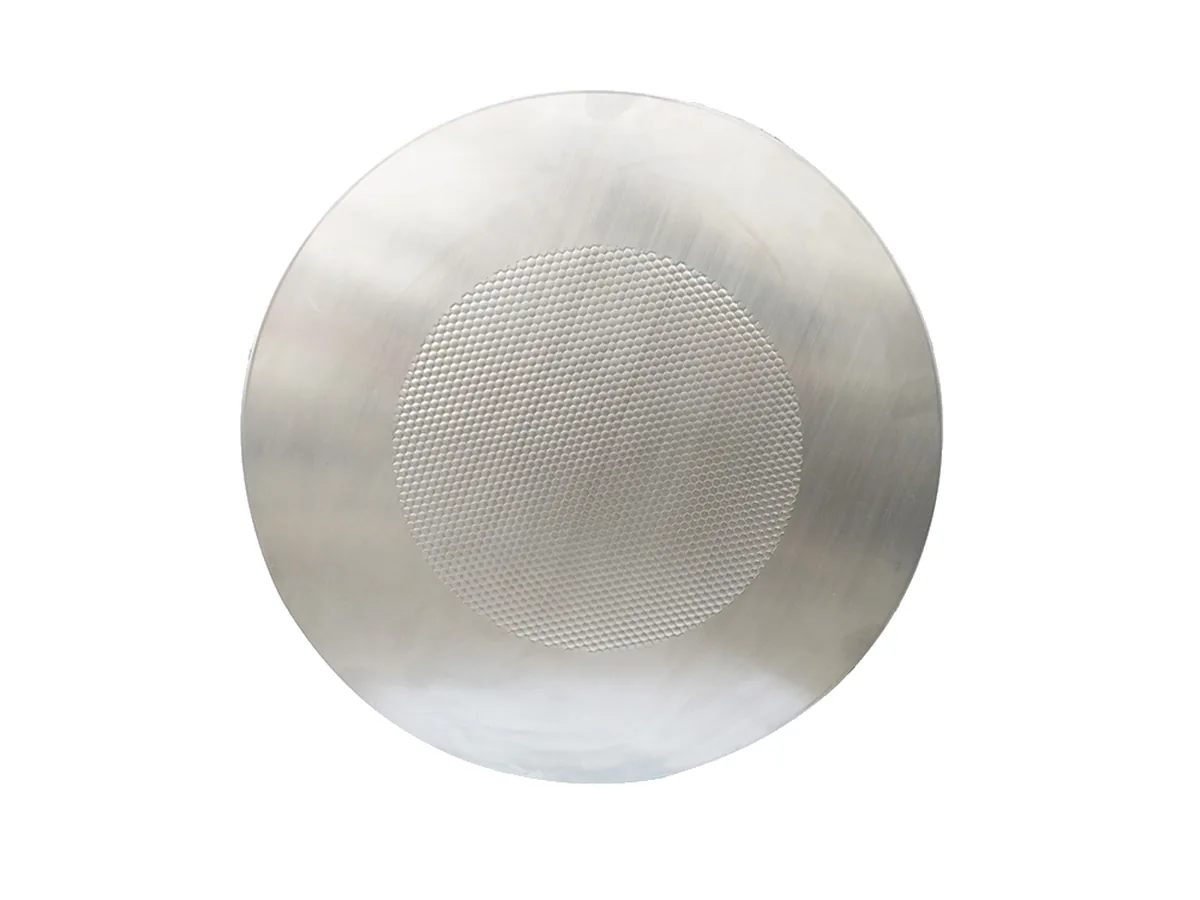
Finish consistency is the hard part
A brushed or satin face has to match across lots, because a retail shelf shows two pans side by side. The specification is an approved sample plus an Ra range, and the supplier has to hold both. Pattern depth is the same problem on embossed and etched surfaces.
Documents are European and expected
Declaration of compliance, SVHC statement and grade reports are asked for before the price discussion. They are issued against the structure and grade combination, so an enquiry that names the grades gets a usable answer faster.
Contract makers and brands buy differently
A brand buys against a design and a launch date. A contract maker buys against a customer's drawing and a delivery window. The second is more sensitive to lot consistency and to short-notice changes, and it rewards a supplier who can hold a schedule.
What to specify
Structure with grades, gauge and target weight, finish with an approved sample and Ra range, flatness, packing, and the document set. Then the launch date, because a brand's deadline does not move for a rolling schedule.
Questions
Common questions
Do you supply a declaration of compliance?
Yes, naming the structure, the grades in food contact and the conditions covered, issued against the combination supplied.
Can you hold a finish across lots?
It is specified as an approved sample plus an Ra range, and inspected per lot against that reference.
Is copper core available?
Yes, for premium ranges. It is quoted against the drawing rather than from a list.
Which ports serve Italy?
Genoa, La Spezia and Trieste are common. The port and the Incoterm are stated in the quotation.
Can you hit a target pan weight?
The gauge and core thickness are chosen against the target weight, then confirmed on a trial part.