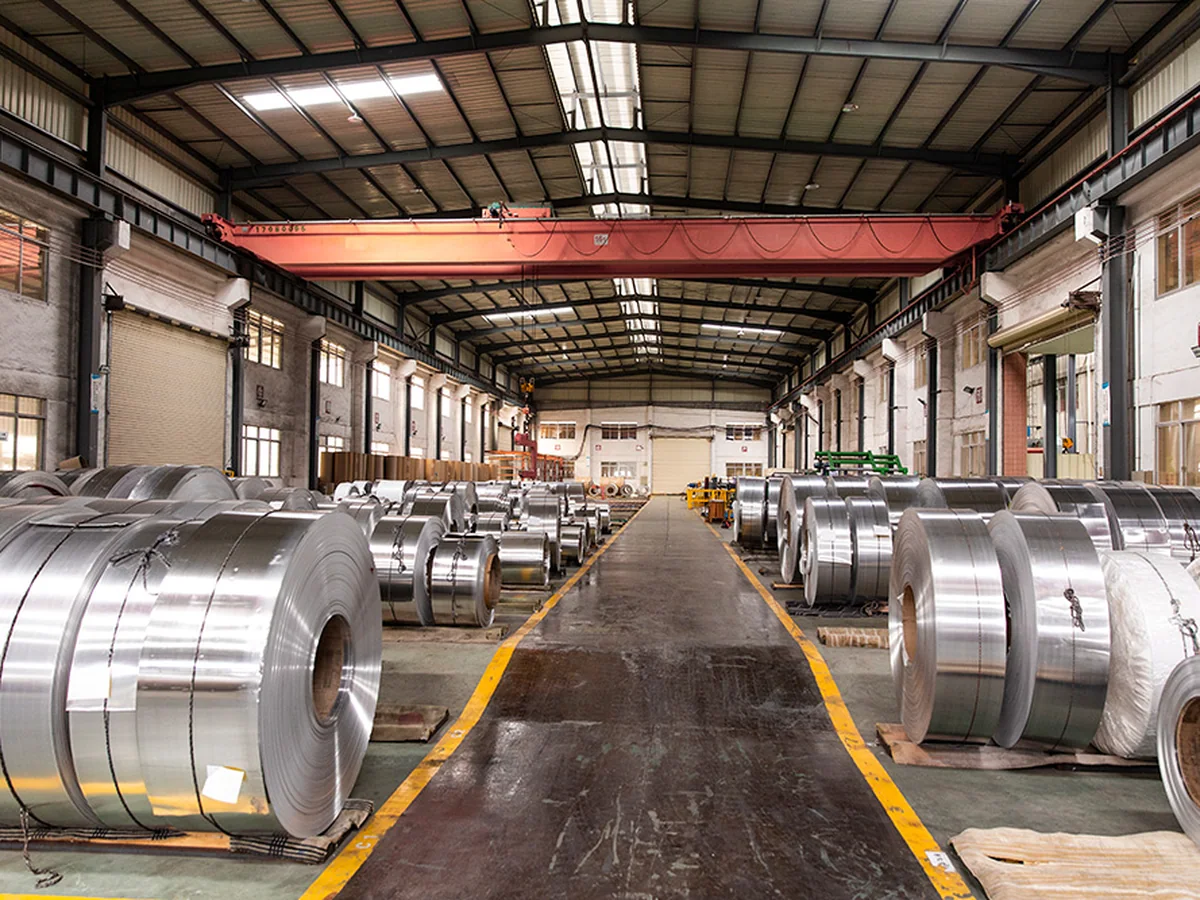
From drawing to first article
A new pan is usually late for one of three reasons: the tooling was ordered before the structure was fixed, the trial quantity was too small to judge, or nobody agreed what a good first part looks like.
At a glance
Specification at a glance
| Stage | Owner | Output |
|---|---|---|
| Part drawing and target weight | Buyer | Dimensions, draw ratio, tolerance |
| Structure and gauge proposal | Supplier | Layer split, total thickness, anneal condition |
| Sample material | Supplier | Sheets or discs for a press trial |
| Tooling | Buyer or toolmaker | Die and blank holder for the part |
| Trial run | Both | Trial quantity drawn in production tooling |
| First article inspection | Both | Measured dimensions, weight, flatness, appearance |
| Approval and release | Buyer | Signed first article, then production order |
Fix the structure before the tooling
A die cut for a 2.4 mm blank will not run a 3.0 mm one without a change of clearance and draw radius. If the structure is still open when the tool is ordered, the trial becomes a tooling project. The cheap sequence is structure first, sample second, tool third.
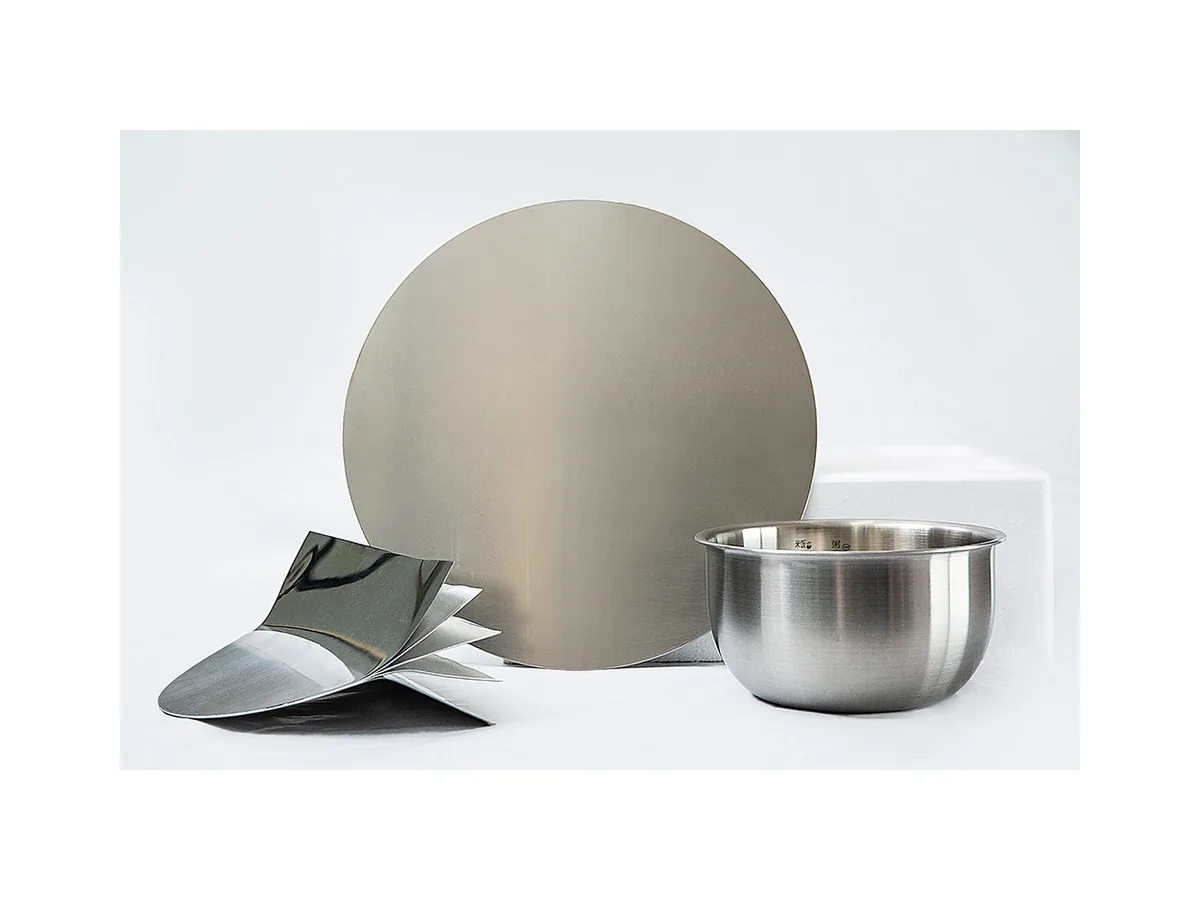
The trial quantity has to be able to fail
Three parts from the middle of a run tell you whether the draw works. Three parts from the top of the stack tell you whether the material arrived flat. Both are useful and they are different questions.
What to measure on the first article
Dimensions against the drawing, weight, wall thickness at the point that thins most, base flatness, rim condition, and the appearance of the surface after forming. Then repeat the measurement on the tenth part: variation between parts is what production will live with.
Where projects slip
Structure changed after tooling. A gauge tolerance promised verbally and not on the drawing. A trial run on material from a different lot than the production order. Each adds a cycle, and each is avoidable with one page of written agreement.
What to write down
Structure and gauge with tolerance, anneal condition, trial quantity, acceptance measurements, and the authority who signs the first article. That page is what makes the second order routine.
Questions
Common questions
How long does tooling take?
It depends on the toolmaker and the part, and it is not something a material supplier controls. What we control is the sample lead time and the structure proposal.
How many parts should a trial produce?
Enough to see variation: typically a short run in production tooling rather than a handful of hand-made samples.
Can you propose the structure without a drawing?
Yes, from the pan size, the target weight and the forming process. The drawing then confirms it.
What if the trial fails?
The failure mode points at a cause: wrinkling at the flange, cracking at the wall, or edge opening. Each maps to a different fix in the material or the tool.
Do we need a new tool for a different gauge?
Usually the die can be adjusted within a range, and beyond it the clearance and radius have to change. Ask before assuming.